Last updated: August 12, 2026
Arthritic joints can make a workout feel like a bad bet. Tai chi for arthritis: movements, benefits, beginner tips offers a gentler route—slow shifts, light bends, and no jumping. Quick answer: for many beginners, 5 to 10 minutes of tai chi, 3 times a week, is a safe place to start when pain stays mild and joints settle back by the next day. Nudge it too hard, though, and the deal changes fast.
- Best use: gentle movement for stiffness, balance, and confidence.
- Starter dose: 5 to 10 minutes per session.
- Frequency: 3 times a week is a practical beginner target.
- Safety rule: use the next-day test for pain, stiffness, or swelling.
- Support: a chair or wall can make practice safer.
What Tai Chi Can Actually Do for Arthritis
Less pain? More confidence? That is the real question. For your main goal to be moving with less pain and more confidence, tai chi is worth a look. But aiming to “fix” arthritis or replace medical care makes it the wrong tool. I see it as joint-friendly practice that may help you keep moving when other exercise feels too harsh.
Slow weight shifts. Gentle knee bends. Controlled reaches. Balance work. That mix can support stiffness, strength, posture, and body awareness. For many people with arthritis, the bigger win is not dramatic fitness. It is getting out of a chair, turning in the kitchen, or crossing a parking lot with less fear of pain or wobble. Simple, but useful.
When joints are hot and swollen, you may need to scale back or skip some moves for a day or two. With pain that is more of a steady ache or stiffness, tai chi is often easier to tolerate than high-impact classes.
Here is the catch: tai chi is not magic, and it is not pain-free exercise. Deep knee bends, low stances, and twisting on a planted foot can irritate some joints. So the best arthritis version is usually the one that keeps motion small, smooth, and controlled. No drama.
A good source to start with is the Arthritis Foundation’s tai chi guidance and the National Center for Complementary and Integrative Health, which both explain why gentle, structured movement can help people with arthritis:
– Arthritis Foundation: https://www.arthritis.org/health-wellness/healthy-living/physical-activity/other-activities/tai-chi
– NCCIH: https://www.nccih.nih.gov/health/tai-chi-and-qigong-in-depth
– NIAMS arthritis overview: https://www.niams.nih.gov/health-topics/arthritis
Quick check: Want a gentle exercise that focuses on balance, mobility, and calm movement? Tai chi fits. Want fast pain relief or a cure? Talk to a professional, because it does not.
Tai Chi Movements for Arthritis: The Ones That Matter Most
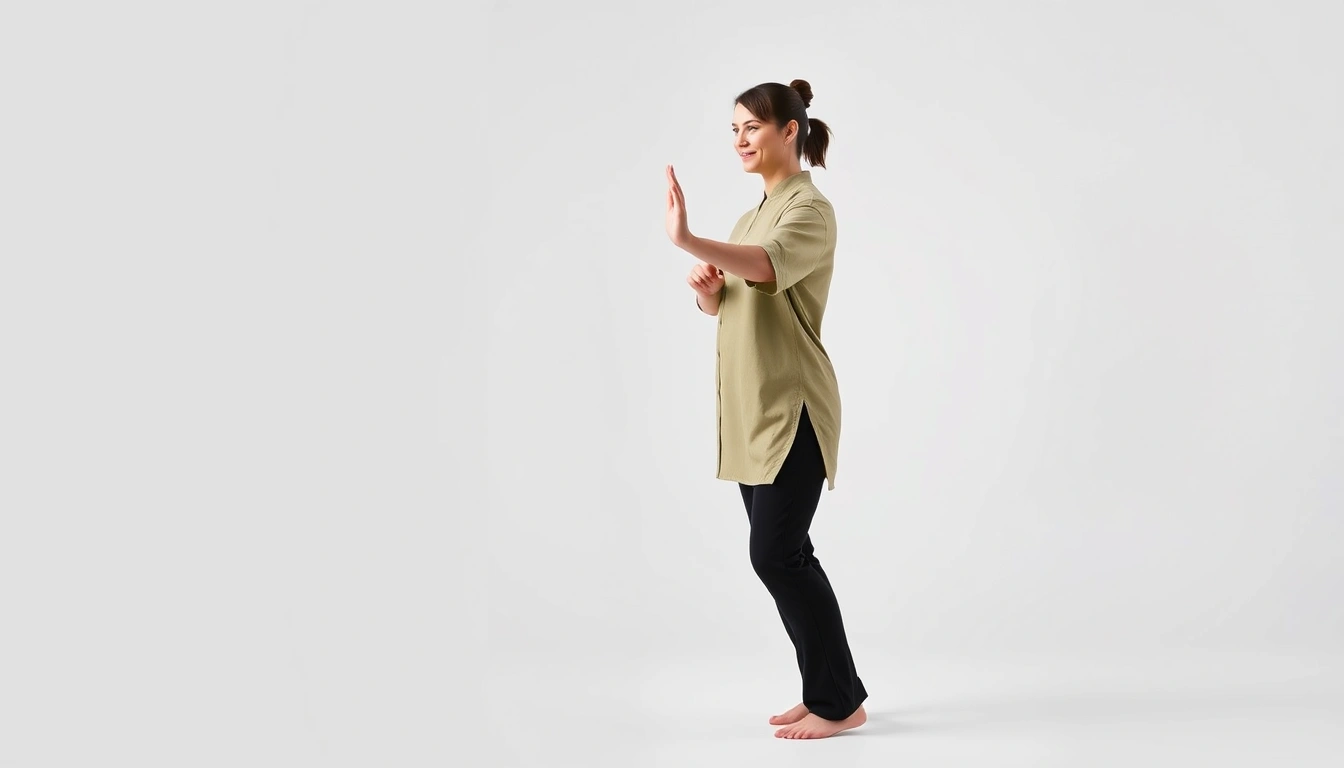
You do not need the full art form on day one. Start smaller. The thing you need is a short set of movements that you can repeat without beating up the joints. If your knees, hips, shoulders, or hands are sensitive, then depth and elegance matter less than control.
Pay attention to these core movements:
- Weight shifts: moving from one leg to the other without rushing.
- Gentle knee bends: small bends rather than deep squats.
- Arm circles and reaches: slow shoulder motion without forcing range.
- Turning the torso and feet together: reducing twist at the knee.
- Single-leg balance work: brief holds near a wall or chair.
Knees sore? Keep the bend shallow and let the hips do less. Hands ache? Soften the fingers instead of locking them into a rigid shape. Shoulders cranky? Keep the arms lower than shoulder height. Tiny changes. Big difference.
A helpful beginner sequence usually looks like this:
- Stand with feet hip-width apart and soften your knees.
- Shift weight slightly to one side.
- Lift the opposite heel, then place it down slowly.
- Let the arms float forward at chest height or lower.
- Turn the body a little, then bring the feet along instead of twisting hard at the knee.
- Repeat on the other side, keeping the motion smooth and quiet.
One easy benchmark helps here: the work should feel mild, not like strain. You ought to breathe steadily and speak in full sentences. Grimacing? Holding your breath? Feeling a sharp catch in a joint? Too much.
For many beginners, a chair can be the right tool. Sitting tai chi and standing tai chi with a chair behind you both reduce fall risk and let you practice the same weight shifts without panic.
Quick check: Small ranges and slow transitions usually win. Start with weight shifts, shallow bends, and supported balance.
If You Have Knee, Hip, Hand, or Shoulder Arthritis, Here’s the Right Path
One joint acting up? Then build around that joint first. Try to copy a full class without changing anything, and the painful area will usually complain pretty quickly.
| Situation | Best Path | Why Other Options Fail |
|---|---|---|
| Knee arthritis | Keep knee bends shallow, turn with the whole body, use a chair for balance | Deep stances and twisting on a planted foot often irritate the knee |
| Hip arthritis | Shorten the step length and avoid forcing wide stance positions | Big side steps can pinch or fatigue the hip |
| Hand arthritis | Relax the fingers and keep the hands soft instead of clenched | Strong hand shapes can flare sore finger joints |
| Shoulder arthritis | Keep arm lifts below shoulder height and move slowly | Overhead reaches can trigger pain or guarding |
| Balance problems | Practice near a wall, counter, or sturdy chair | Free-standing balance drills can be unsafe at first |
For knee trouble, a higher stance, less bend, and more turning through the feet usually make sense. Hip issue? Shorter steps and less lateral spread often help. Hand pain? The hand shape is optional in practice terms; the legs and trunk matter more. Shoulder limitation? Skip the pretty arm line. Keep things low and easy.
A simple path for a one-joint issue:
- Pick one joint that limits you most, such as the knee or shoulder.
- Choose one movement to modify first, not the whole routine.
- Cut the range in half and test it for a few repetitions.
- Watch what happens later that day and the next morning.
- When the joint settles back to baseline, keep that version.
- When pain or swelling rises, reduce the range again or stop that move.
The usual mistake is thinking “gentle” means “anything goes.” It does not. Gentle still needs clean mechanics. Slow twisting through a sore knee is still twisting through a sore knee. That part is nonnegotiable.
Quick check: If one joint is clearly the troublemaker, change the stance, range, and turning pattern around that joint first.
How to Start Tai Chi Safely When You Have Arthritis
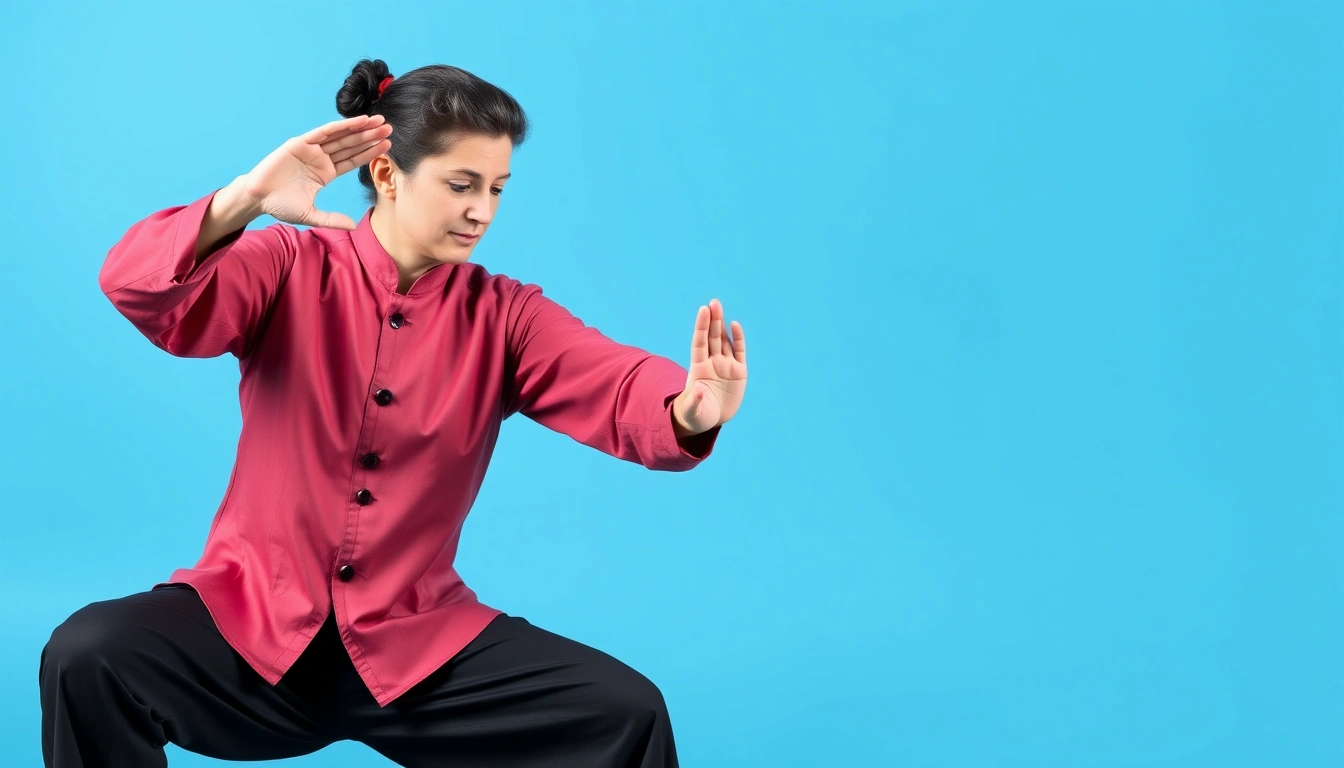
Starting with a 60-minute class after a long sedentary stretch? Honestly, that can backfire. When you have not exercised much lately, begin shorter than you think you should.
I would use a simple safety plan:
- Ask your clinician or physical therapist if you have a joint replacement, recent surgery, osteoporosis, severe balance loss, or a flare that has not settled.
- Choose a beginner class, seated class, or arthritis-specific tai chi program rather than an advanced form.
- Wear shoes with a stable sole and enough room for your toes.
- Practice near a wall, counter, or sturdy chair.
- Begin with 5 to 10 minutes, then build gradually if your joints stay calm.
- Use the “next day test”: if pain, stiffness, or swelling is clearly worse the next day, reduce time or range.
Looking for a class? A teacher who can modify movements matters more than the prettiest form. Ask whether they can show seated options, higher stances, and simplified steps. If they cannot, keep looking. A good teacher should be able to demonstrate changes, so ask before you enroll.
Practicing at home? A plain floor, good lighting, and enough space to extend your arms without hitting furniture matter more than fancy equipment. You do not need special shoes, weights, or mats to begin. A chair and a wall are enough for a first practice. Even one cleared corner in a living room will do.
One practical benchmark: you should finish feeling looser or simply tired, not unstable. Mild muscle fatigue is fine. Joint swelling, a limp, or sharp pain is not.
This is also where generic advice gets silly. People are told to “push through stiffness.” With arthritis, that can be the wrong lesson. A little effort helps; a flare does not.
Quick check: To begin safely, keep sessions short, keep support nearby, and check the next day to see how your joints respond.
Benefits That Make Tai Chi Worth Trying — and the Limits You Should Know
Need a workout that respects sore joints? Tai chi has a strong case. Need something that builds major strength quickly? Then tai chi alone is probably too mild.
The benefits that matter most for arthritis are:
- Less stiffness: the slow motion can help joints feel less locked up.
- Better balance: weight shifts and single-leg work train stability.
- More confidence: many people move less fearfully after practice.
- Gentler conditioning: it can count as exercise when harder forms are off the table.
- Body awareness: you notice how you load the joints before pain spikes.
The limit matters just as much. Tai chi may not give enough challenge by itself if you need major strength work, brisk cardiovascular training, or rehab after a serious decline. It can be one piece of the plan, not the whole plan. That math stops working fast if you ask it to do everything.
If you are highly deconditioned, even tai chi can tire you out quickly. If you are already quite fit, you may need tai chi plus walking, resistance work, or physical therapy to get the full benefit. If you have severe joint deformity or very limited range, a therapist may need to help you adapt movements before you join a group class.
Pain expectations deserve a straight answer. Tai chi is not always pain-free, especially in the first couple of weeks. The aim is not zero sensation. The aim is no worsening flare, no unsafe balance challenge, and a practice you can return to tomorrow.
If you want a deeper evidence summary, the National Institute of Arthritis and Musculoskeletal and Skin Diseases and NCCIH both discuss exercise and mind-body movement for arthritis and joint health:
– NIAMS: https://www.niams.nih.gov/health-topics/arthritis
– NCCIH tai chi overview: https://www.nccih.nih.gov/health/tai-chi-and-qigong-in-depth
– CDC physical activity basics: https://www.cdc.gov/physicalactivity/basics/index.htm
Quick check: If better mobility and confidence matter more than big fitness gains, tai chi is a good candidate.
The Edge Cases Where Normal Advice Breaks Down
If you fit one of these situations, the standard “just start gently” advice is not enough.
- Recent joint replacement or surgery → what changes: your range limits and weight-bearing rules may be different. What else to do: follow your surgeon or physical therapist’s timeline before doing stance changes, pivots, or balance work.
- Active flare with swelling, warmth, or sharp pain → what changes: even gentle motion can irritate the joint. What else to do: use smaller movements, seated practice, or rest until the flare settles.
- Significant balance loss or fall history → what changes: standing balance drills can be unsafe. What else to do: use a wall, chair, or seated class, and ask about fall-prevention work with a clinician.
- Severe knee pain during turning → what changes: twisting mechanics matter more than the exercise label. What else to do: turn the feet and torso together, shorten steps, and avoid planted-foot pivots.
- Wrist or hand arthritis that flares with poses → what changes: hand shape is not the priority. What else to do: keep hands relaxed, lower them, or focus on lower-body movements.
- Osteoporosis with fear of falls → what changes: the risk is not the slow motion itself, it is loss of control. What else to do: keep the stance higher, stay near support, and avoid any movement that makes you feel wobbly.
The big lesson is plain: tai chi should adapt to the joint, not the other way around. If the practice keeps setting off the same pain pattern, then that version is not the right one for you.
Quick check: Surgery, flares, fall risk, or a joint that hates twisting? Use a modified or supported version instead of a standard class.
What I’d Look for in a Beginner Class or Home Practice
Choosing between classes? The teacher’s ability to modify matters more than the style name. Choosing between home videos? Clarity and pacing beat production value every time.
A good beginner path usually includes:
– simple weight shifts
– higher stances
– short sequences
– clear cues for safe turning
– permission to use a chair
– no pressure to match perfect form
Fast class? Deep stances? Everyone already balancing like a gymnast? Probably not the right first step for arthritis. And if a video never mentions knees, hips, or support options, I would be cautious.
I also think it helps to define success early. For arthritis, success is not mastering a long form. Success is showing up often enough that your joints learn the movement without a backlash. That’s the trade-off: less flash, more consistency.
A practical home practice might be:
1. Stand or sit tall for a minute and breathe normally.
2. Do gentle weight shifts side to side.
3. Add slow arm reaches below shoulder height.
4. Practice small turns with feet and hips moving together.
5. Finish with a short balance hold near support.
6. Stop before you feel strain building.
That is enough to begin. If you already have a chair, a counter, or a stable piece of furniture nearby, then you already have enough exercising space and equipment. No extra gear needed.
Quick check: If a class or video asks for more range, speed, or balance than your joints allow, choose a simpler version.