Last updated: August 12, 2026
- If symptoms stay calm for the next 24 hours, add a little time before you add speed.
- After the walk, note the next 24 hours: pain, swelling, stiffness, and how your joints feel the next morning.
- Should walking make pain, swelling, or instability worse, cut back and consult a clinician or physical therapist .
- Key facts – Walking often helps mild to moderate arthritis stiffness.
Quick Answer: For many people, walking for arthritis: benefits, pace, safety tips means a 10- to 20-minute flat walk at a comfortable, talk-test pace can help reduce stiffness and support mobility. Should walking make pain, swelling, or instability worse, cut back and consult a clinician or physical therapist.
Knee ache on a walk changes the question fast. Not “Should I walk at all?” Instead: “How do I walk in a way that helps arthritis without setting it off?” For many people with arthritis, walking is one of the safest ways to keep joints moving, though the right pace, dose, and surface still matter.
Key facts
– Walking often helps mild to moderate arthritis stiffness.
– A 10-minute walk can be enough to start.
– A pace that allows full sentences is usually a safer target than “brisk.”
– Flat surfaces usually stress joints less than hills.
– For a hot, swollen, or unstable joint, walking may need to be reduced.
– The Arthritis Foundation and CDC both recommend regular movement for arthritis and general health.
– For symptoms that linger into the next day, the walk was probably too much.
Walking for Arthritis: What It Can Help — and What It Can’t
Less stiffness? Better joint function? A bit more confidence getting around? Walking usually earns its spot if that is the goal. But if the goal is to “push through” severe joint inflammation or replace medical care, it is the wrong tool.
I’d treat walking as a low-cost, low-barrier way to cover the basics: keep the joint moving, maintain leg strength, and avoid the ugly loop where pain leads to less movement and less movement leads to more stiffness. Mood, sleep, and day-to-day stamina can improve too. Not a tiny payoff. For someone living with arthritis, those gains matter, and a clinician or physical therapist can help decide what amount fits your joints. The Arthritis Foundation’s exercise guidance is a good starting point: https://www.arthritis.org/health-wellness/healthy-living/physical-activity
But walking does not fix every arthritis problem. A hot, swollen, unstable, or giving-way joint can make it the wrong choice for that moment. With advanced osteoarthritis in a knee or hip, or inflammatory arthritis that is actively flaring, the better move may be a shorter walk, a different surface, or plain rest for the day.
A cleaner way to think about it:
- Walking often helps mild to moderate stiffness.
- During flares, walking may need to be scaled back.
- Walking is not a substitute for strength work, weight management if relevant, medication, or physical therapy.
- Pain that worsens sharply during or after a walk is a signal to adjust, not to “tough it out.”
For general arthritis guidance, the Arthritis Foundation has practical exercise information, and the CDC’s physical activity guidance is a good place to check the basics of safe movement:
– Arthritis Foundation: https://www.arthritis.org/health-wellness/healthy-living/physical-activity
– CDC physical activity basics: https://www.cdc.gov/physicalactivity/basics/index.htm
Quick check: Want a simple way to stay mobile, with no acute inflammation? Walking is usually worth trying. In a flare, or if the joint feels unstable, change the plan first.
The Walking for Arthritis Pace That Usually Works Best
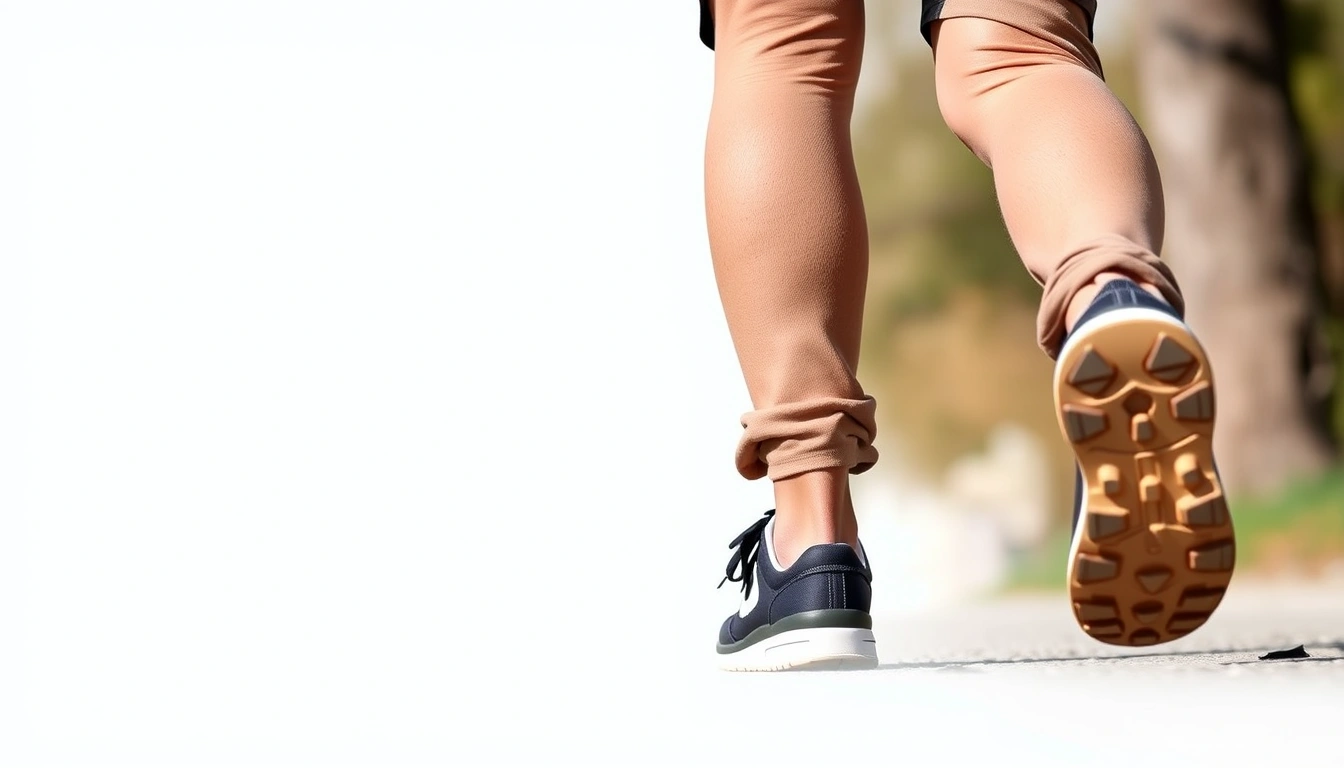
“How fast should I walk with arthritis?” Fair question. The honest answer is: fast enough to feel like movement, slow enough that your joints stay calm. Speed that makes pain spike is too high for now. If you can walk and speak in full sentences without guarding each step, you are probably in a reasonable range.
Most people with arthritis do not need to chase a “brisk” pace at the start. Honestly, a steady, comfortable pace usually beats a fast one that leaves you limping later. The right pace is the one you can repeat tomorrow.
Here is a practical way to judge it:
- Easy pace: You can talk comfortably. Good for flare days, warm-ups, and recovery walks.
- Moderate pace: You can talk, but you would not want to sing. Often a good target if the joints tolerate it.
- Too hard: You shorten your stride, brace your body, or pay for the walk later with increased pain or swelling.
A lot of generic advice gets this backward by telling people to “just walk faster” or “build up intensity.” That can backfire if your knee, hip, foot, or spine is already sensitive; the math stops working fast. Should walking at a moderate pace cause symptoms that linger into the next day, scale back and build more slowly.
A simple progression I would use:
- Start with a pace that feels almost too easy.
- Walk on level ground for a short, manageable time.
- Check how the joint feels during the walk, not just after.
- If symptoms stay calm for the next 24 hours, add a little time before you add speed.
- Only increase pace after duration is stable.
That order matters. Time first, speed second. Try to raise both at once, and it gets hard to tell what irritated the joint.
Quick check: Should your form stay smooth and your pain not spike later, your pace is probably right. If you limp, stiffen, or ache more the next day, slow down.
How to Start Walking When Your Joints Are Already Sensitive
Starting from pain, fear, or a long stretch of inactivity? Then “go for a walk” is too vague to help. You need a plan that feels safe enough to repeat.
Here is the version I would use when someone has arthritis and is deconditioned or cautious:
- Pick the easiest route you can control: flat sidewalk, indoor track, mall, or treadmill with no incline.
- Choose supportive shoes with a stable heel and enough room for toes. If your foot pain is a major issue, consider a shoe-fitting specialist or a podiatry consult.
- Do a brief warm-up: ankle circles, slow marching in place, or a minute of very easy walking.
- Walk for a short block of time you are confident you can finish without limping. If needed, use walk-rest intervals.
- Stop while your form is still good. Do not wait until you are badly sore.
- After the walk, note the next 24 hours: pain, swelling, stiffness, and how your joints feel the next morning.
- If symptoms are stable, add a little time next session rather than adding hills, speed, or extra distance.
The trap is trying to make every walk “count” as exercise in the first week. With arthritis, consistency beats heroics. Ten controlled minutes three times a week can do more good than one long walk that leaves you sore for two days.
If you need a concrete benchmark, use the talk test and your next-day symptoms rather than a fitness tracker. A tracker can help with habit-building, but it cannot tell you whether your knee tolerated the session.
If you want more formal exercise guidance, the American College of Rheumatology and the Arthritis Foundation both emphasize movement, but the details should fit the person, not the slogan. If your arthritis is inflammatory, has joint damage, or comes with balance problems, a physical therapist can tailor the plan better than a generic app. The CDC also notes that adults should aim for regular physical activity across the week: https://www.cdc.gov/physicalactivity/basics/index.htm
Quick check: Need rest breaks, worried about flare-ups, or haven’t walked regularly in a while? Start with short, flat, repeatable sessions.
When Walking Helps More Than Other Exercise
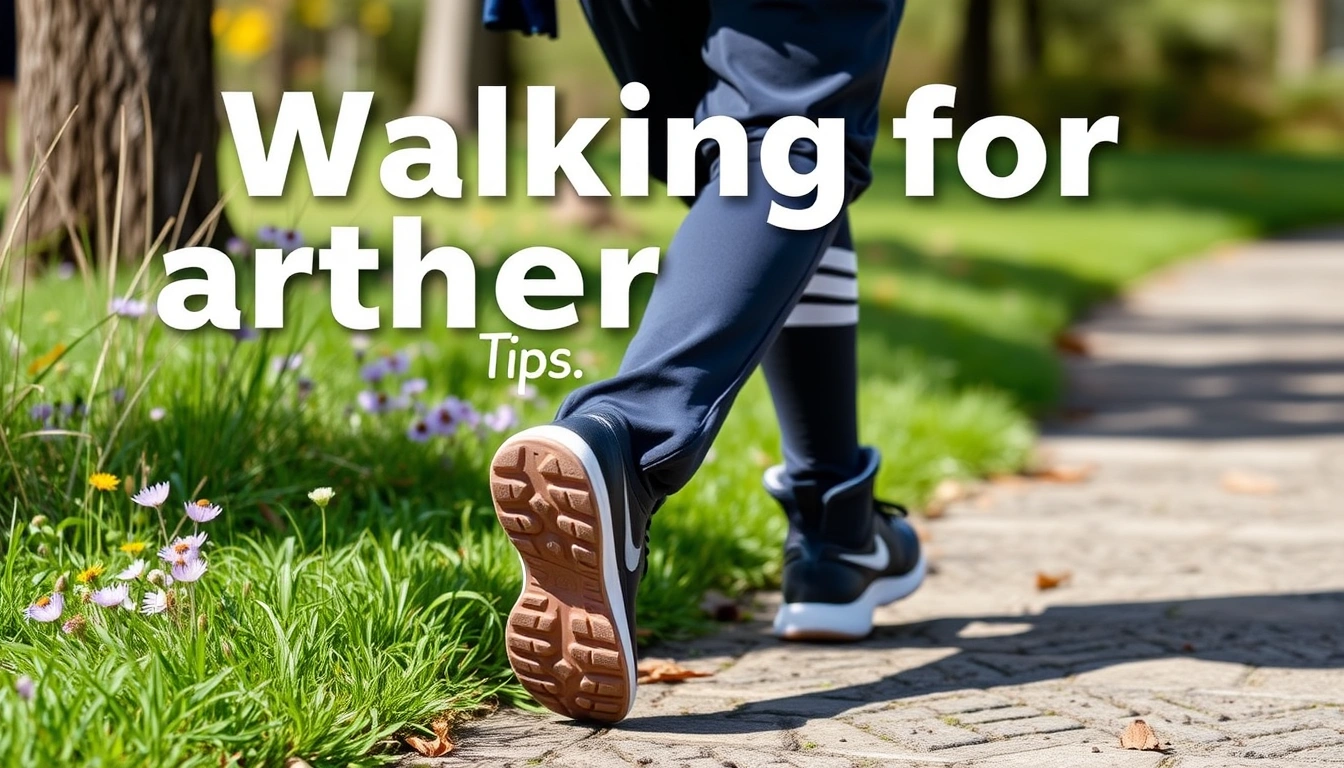
When joints hate impact but tolerate motion, walking can be the best first choice. For the main problem being poor balance, severe foot pain, or a knee that buckles, though, walking may need to be paired with something else.
Walking has a few advantages over more aggressive exercise:
- It is easy to scale up or down.
- It does not require special equipment.
- It builds routine without much setup.
- It is often easier to keep doing than a more intense program.
And that is only part of the picture. People with arthritis often need strength work for the hips, thighs, calves, and core. Why? Stronger muscles reduce the workload on painful joints. A walking-only plan can leave you mobile but under-supported.
Here is a simple way to think about choice:
| Situation | Best Path | Why Other Options Fail |
|---|---|---|
| Mild stiffness, no flare | Regular walking at a comfortable pace | Rest alone can increase stiffness |
| Pain with impact but good balance | Flat walking plus gradual time increase | Running, jumping, or hills may provoke symptoms |
| Knee pain with weakness or buckling | Walking plus strength work and possibly a cane or PT input | Walking alone may not stabilize the joint |
| Foot pain or bunions | Shorter walks, better shoes, maybe indoor surfaces | Long outdoor walks on hard pavement may worsen symptoms |
| Active flare with swelling | Reduce walking and use gentle motion only if tolerated | Pushing through can extend the flare |
If your pain sits mainly in the knee or hip, level ground may help more than cycling if weight-bearing motion is what you need. If the feet are the sore spot, cycling or water exercise may be easier for a while. The “best” exercise is the one you can do without making tomorrow worse.
Quick check: Should walking feel steady and controlled, it can be your main exercise. If your joints feel unstable, painful in the feet, or swollen, walking may need backup from PT or another modality.
Safety Tips That Actually Matter for Arthritis Walkers
Should your walks end with more pain, the issue is not willpower; it is setup. Surface, footwear, pacing, and your stop rules do most of the work.
Here is the short list I trust most:
- Choose flatter routes first. Hills increase joint load and can irritate knees and hips.
- Use supportive shoes. A stable, comfortable shoe matters more than a trendy one.
- Avoid long strides. Shorter steps usually reduce stress on painful joints.
- Warm up and cool down. Even a few minutes of easy movement can reduce the shock of starting and stopping.
- Use assistive devices if needed. A cane, trekking poles, or a walker is not a failure. It is load management.
- Watch swelling and next-day pain. Those are better signals than pride.
- Carry a phone and water if you are walking alone or in heat.
People also underrate walking surfaces. Concrete and cambered roads can be rough on sore knees, hips, and feet. Grass can be uneven. Treadmills can help because the surface is predictable, but some people dislike the belt feel or need rail support. Indoor tracks are a good middle ground if available.
Stop and reassess if you notice:
- a limp that appears during the walk,
- a joint that feels warmer or puffier afterward,
- sharp pain rather than the usual stiffness,
- balance problems,
- pain that keeps climbing for hours.
The CDC’s general advice on gradual activity and the National Institute on Aging’s exercise guidance are both useful references for older adults and anyone starting from low activity:
– National Institute on Aging exercise guidance: https://www.nia.nih.gov/health/exercise-and-physical-activity
Quick check: Should symptoms worsen after certain routes or shoes, the fix is usually in the setup, not in “trying harder.”
Edge Cases: When Normal Walking Advice Breaks Down
For arthritis that comes with unusual features, the usual “just walk more” advice can be wrong. These are the cases that change the plan.
-
Situation: A hot, swollen joint.
What changes: This looks more like active inflammation than routine stiffness.
What to do instead: Cut back on walking, use gentle range-of-motion movement only if it does not increase pain, and contact a clinician if swelling is new, severe, or unexplained. -
Situation: The joint gives way or feels unstable.
What changes: Safety becomes the main issue, not conditioning.
What to do instead: Use a cane, trekking poles, or a walker if advised; ask for a physical therapy assessment; avoid uneven ground and stairs until the joint is steadier. -
Situation: Foot or ankle arthritis is the main problem.
What changes: The ground contact phase becomes the painful part.
What to do instead: Shorten walks, use more cushioned and supportive shoes, consider orthotics if recommended, and favor level indoor surfaces. -
Situation: You have rheumatoid arthritis or another inflammatory arthritis and are in a flare.
What changes: Pushing through can prolong symptoms.
What to do instead: Use gentle movement, rest the most inflamed joints, and ask your rheumatology team whether your medication plan needs review. -
Situation: Walking causes pain far from the joint, like calf pain, chest pain, or shortness of breath.
What changes: This may not be “just arthritis.”
What to do instead: Stop and get medical evaluation promptly, especially if symptoms are new or severe. -
Situation: You are very deconditioned after illness, surgery, or a long sedentary stretch.
What changes: Your limit may be cardiovascular or balance-related, not just joint pain.
What to do instead: Start with tiny bouts, indoors if needed, and build from there with professional guidance if you are unsure.
Quick check: If your joint is swollen, unstable, or the pain does not behave like ordinary arthritis pain, normal walking advice is not enough.
A Simple Walking Plan You Can Actually Follow
If you want one practical template, here is the one I’d use for a cautious start: make the walk easy enough that you could repeat it tomorrow.
- Pick a flat, predictable route or treadmill.
- Wear supportive shoes that do not pinch.
- Warm up for a few minutes.
- Walk at a pace that lets you talk in full sentences.
- Stop before your gait changes.
- Check your joints later that day and the next morning.
- If symptoms stay calm, add time before you add speed.
The win condition is not distance. It is repeatability. Should a 12-minute walk leave you able to move better later, that is a good sign. If a 30-minute walk makes the next day miserable, it is too much for now.
I would not force a daily schedule just to look disciplined. Some joints do better with frequent short walks; others want an every-other-day rhythm with recovery in between. The right answer is the one your pain pattern supports.
Quick check: If you can repeat the same walk several times a week without a flare, you are on the right track.
FAQ
Is walking good for arthritis in the knees?