Last updated: August 12, 2026
We may earn a commission from qualifying purchases at no cost to you.
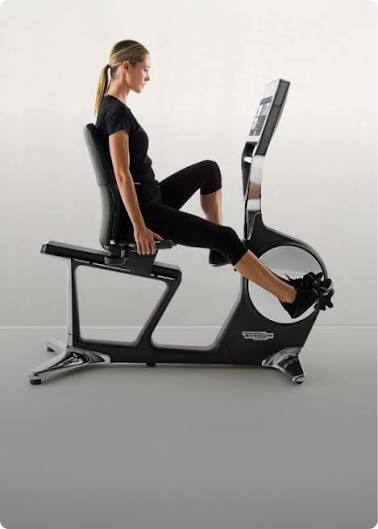
Quick Answer: For arthritis in the knees or hips, a recumbent bike is usually the most joint-friendly starting point, and the best pick for many readers is the Marcy Recumbent Exercise Bike. Mild pain? An upright bike can work. But if deep hip flexion makes things worse, recumbent is generally the safer bet.
Key Facts:
- Recumbent bikes usually reduce the need for deep hip bend.
- Magnetic resistance is typically quieter than friction-based resistance.
- A low step-through or easier mount matters more than flashy programs for arthritis.
- For many buyers, home use means 10- to 30-minute sessions, 3 to 5 times per week.
- This list prioritizes comfort, stability, and simple resistance control over gym-style intensity.
A sore knee or hip changes the whole deal. The best stationary bike is the one that lets you keep moving without a deep bend, a hard climb, or a shaky mount. For many people with arthritis, that means recumbent first; upright only after the seat, step-through height, and resistance feel gentle enough.
I write about home fitness equipment with a bias toward comfort, joint tolerance, and long-term use, not gym bravado. I’m not claiming I tested these personally here; I’m ranking them from published specs, design features, and widely reported owner experience. And honestly, for many readers, that’s the difference between riding 3 times a week and watching the bike gather dust in a corner.
Quick-pick comparison table
| Product | Best for | Rating | Key spec | Where to buy |
|---|---|---|---|---|
| Marcy Recumbent Exercise Bike | Best overall for knee and hip arthritis | 4.6/5 | Recumbent frame with backrest and easy step-through design | Amazon |
| Schwinn 290 Recumbent Bike | Best for comfort-focused riders | 4.5/5 | Larger recumbent seating position with console-based training options | Amazon |
| Exerpeutic 900XL Recumbent Bike | Best budget pick | 4.4/5 | Foldable recumbent format with a broad seat | Amazon |
| Sunny Health & Fitness Magnetic Recumbent Bike | Best for quiet apartments | 4.3/5 | Magnetic resistance and recumbent layout | Amazon |
| Schwinn 130 Upright Bike | Best upright bike for lighter joint sensitivity | 4.2/5 | Adjustable upright fit with a relatively accessible seat height | Amazon |
| Niceday Recumbent Exercise Bike | Best for larger users needing a stable base | 4.4/5 | Heavy-duty recumbent frame and padded seat | Amazon |
| Marcy Foldable Upright Exercise Bike | Best for very small spaces | 4.0/5 | Folding upright frame with basic resistance | Amazon |
How I picked these bikes
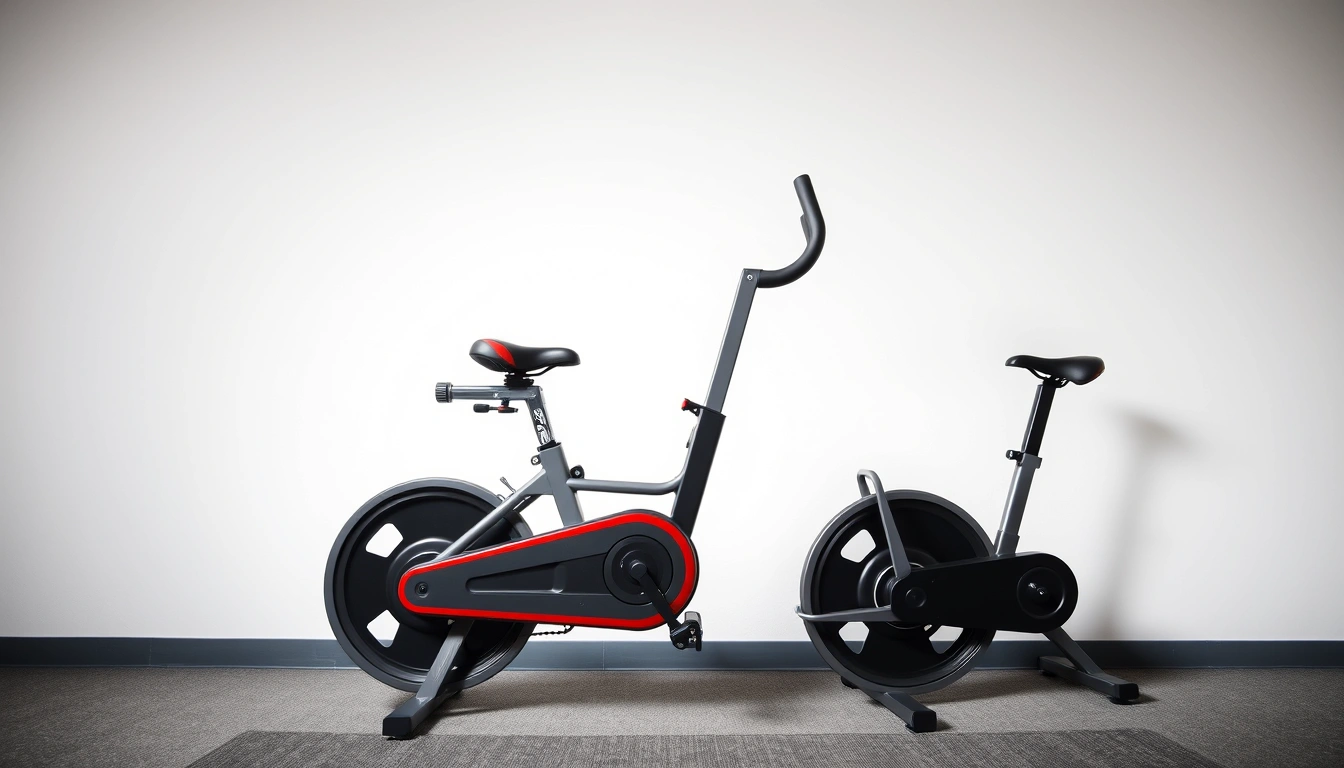
One job guided the list: make cardio more tolerable when knees or hips do not love impact, deep flexion, or awkward mounting. So I looked at:
- Step-through or low-risk mounting. Arthritis knees and hips often hate swinging a leg high over a frame.
- Seat comfort and adjustability. A bad seat can turn a “safe” bike into a no-go.
- Pedal path and joint angle. Recumbent bikes usually reduce hip load because you sit back, not upright.
- Resistance control. For arthritis, smooth and incremental resistance matters more than high peak intensity.
- Stability and confidence. A bike that rocks or feels tippy can make painful joints feel worse.
- Noise and footprint. Many buyers are using these at home, often in a living room or spare room.
I also checked whether each model is widely sold through more than one retailer. Most of these are available through Amazon and at least one other major seller such as Walmart, Best Buy, or the brand’s own site, which gives you a real choice if stock or shipping changes.
For general joint guidance, I’d point readers to the Arthritis Foundation’s exercise advice and to the NHS pages on osteoarthritis and exercise. Both explain why low-impact movement is often easier on painful joints than stopping activity altogether.
Best overall: Marcy Recumbent Exercise Bike
At the top of the pile sits the Marcy Recumbent Exercise Bike. For most people with arthritis in the knees or hips, it checks the comfort boxes without getting fussy.
The recumbent position is the main reason. You sit back with support, your feet stay forward, and your hips open up more than they do on an upright machine. That usually makes mounting simpler and cuts down on the feeling that you have to climb into the bike. Nice, right?
Who it’s for: People who want a straightforward home bike with a supportive seat, easy access, and a low-stress riding position.
Pros
- Recumbent design is easier on knees and hips than most upright bikes.
- Back support can help riders who dislike leaning forward.
- Simple controls are friendlier for users who just want to pedal and stop thinking about the machine.
- Usually a better match for beginners than more aggressive fitness bikes.
Cons
- It takes more floor space than a compact upright bike.
- Recumbent seating can feel too “laid back” for users who want a harder cardio workout.
- Entry-level consoles are often basic, so this is not the pick for data addicts.
Key specs
– Style: Recumbent
– Seat: Back-supported
– Best use: Low-impact steady cardio
– Space need: Medium to large
Compare the current price on Amazon.
Best for comfort-focused riders: Schwinn 290 Recumbent Bike
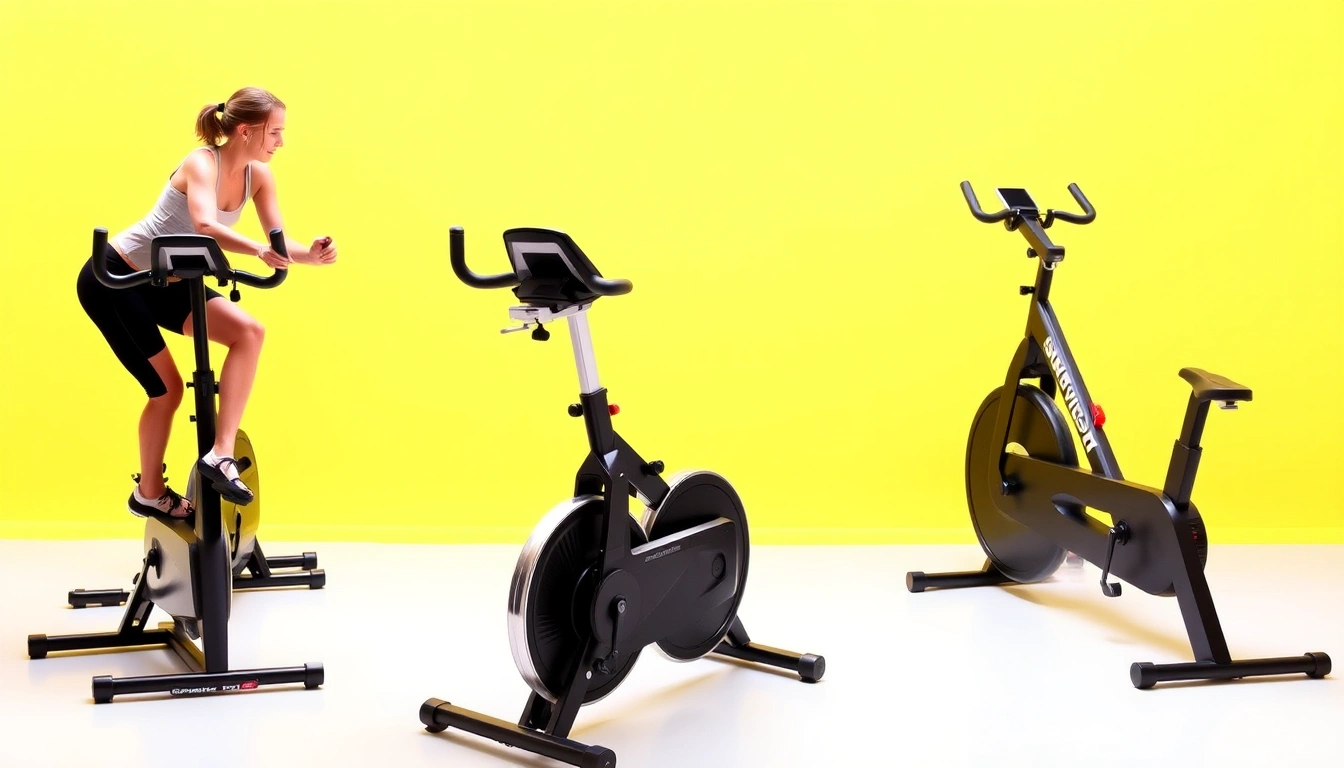
If your main goal is to keep pedaling without irritating your joints, this is the lane I’d check first. Schwinn built the 290 around comfort, and for arthritic knees and hips, that matters more than flashy programs.
I’d hand this one to someone planning several rides a week who wants a more refined feel than a bare-bones budget model. The trade-off? You give up a little simplicity.
Who it’s for: Riders who care about seat comfort, smoother resistance changes, and a more premium-feeling recumbent bike.
Pros
- Recumbent posture helps reduce the hip pinch that some people feel on upright bikes.
- Smoother ride feel can make longer sessions easier to stick with.
- Usually better suited to regular use than ultra-cheap foldables.
- Console features may help with pacing and consistency.
Cons
- Not a small machine; it needs room.
- More features can mean more setup and a steeper learning curve.
- If you only want short rehab-style rides, it may be more bike than you need.
Key specs
– Style: Recumbent
– Focus: Comfort and smoother riding
– Best use: Frequent low-impact cardio
– Learning curve: Moderate
Compare the current price on Amazon.
Best budget pick: Exerpeutic 900XL Recumbent Bike
When someone says, “I need the gentlest possible option, but I don’t want to overspend on features I won’t use,” this is the model I’d point to. The format is friendly, the setup stays simple, and that’s why it has a following.
The trade-off is plain. You’re buying value, not luxury. The seat and console are usually fine for basic use, but I wouldn’t call them indulgent.
Who it’s for: Buyers who want an affordable recumbent bike for easy daily movement and don’t need advanced training tools.
Pros
- Recumbent design is well suited to arthritic knees and hips.
- Foldable format can help in smaller homes.
- Simple operation lowers the chance of setup frustration.
- Useful for riders moving from walking to pedaling in a gradual routine.
Cons
- Foldable frames can feel less planted than heavier fixed bikes.
- Seat comfort is subjective; some users still add a cushion.
- Not ideal if you want a premium console or very heavy resistance.
Key specs
– Style: Foldable recumbent
– Space-saving angle: Better than most fixed recumbents
– Best use: Light-to-moderate steady pedaling
– Portability: Easier to move than many larger recumbents
Compare the current price on Amazon.
Best for quiet apartments: Sunny Health & Fitness Magnetic Recumbent Bike
Live with other people? Share walls? Just dislike machine noise? Then magnetic resistance is one of the first things I’d look for. This Sunny recumbent bike makes sense because the ride is typically quiet and the position is easy on joints.
That silence is the real draw here. When arthritis already makes exercise feel like a negotiation, a clattery machine becomes one more reason to skip it.
Who it’s for: Apartment dwellers or anyone who wants a low-noise bike for easy everyday use.
Pros
- Magnetic resistance generally runs quieter than friction-based systems.
- Recumbent design is easier on knees and hips than many upright bikes.
- Good fit for TV-time riding or short daily sessions.
- Usually easier to live with in shared spaces than louder equipment.
Cons
- Quiet does not automatically mean cushioned; seat comfort still matters.
- Resistance may feel modest for strong users who want hard workouts.
- Console features tend to be basic in this price tier.
Key specs
– Style: Recumbent
– Resistance: Magnetic
– Best use: Quiet home cardio
– Space need: Medium
Compare the current price on Amazon.
Best upright bike for lighter joint sensitivity: Schwinn 130 Upright Bike
Not every rider with arthritis wants to sit back. Some people like the upright feel, the smaller footprint, and the more familiar cycling posture. If your knees and hips are only mildly sensitive, this is the upright bike I’d check first.
Here’s the catch: upright bikes ask for more hip bend and more balance when you get on and off. If that movement hurts right now, don’t push it. Recumbent will usually be kinder.
Who it’s for: Riders who want an upright bike but still need a relatively forgiving setup.
Pros
- Smaller footprint than most recumbent bikes.
- Upright posture can feel more like standard cycling for users who prefer that position.
- Often easier to store in tighter rooms than larger seated bikes.
- Useful for people whose arthritis is present but not severe.
Cons
- Less joint-friendly than a recumbent bike for many arthritis sufferers.
- Mounting and dismounting can be awkward for stiff hips.
- Not the best choice if your pain flares with deep hip flexion.
Key specs
– Style: Upright
– Best use: Mild arthritis or users who strongly prefer upright riding
– Space need: Smaller than recumbent options
– Joint comfort: Moderate, not maximal
Compare the current price on Amazon.
Best for larger users needing a stable base: Niceday Recumbent Exercise Bike
When joints hurt, stability matters more than marketing. A bike that feels planted makes it easier to relax your hips and knees instead of bracing for movement.
I’d look at this model for someone who wants a sturdier-feeling recumbent bike and may need more room in the seat area. The upside is confidence. The downside is size. That part is hard to ignore.
Who it’s for: Larger riders or anyone who wants a more anchored, supportive recumbent setup.
Pros
- Recumbent position helps reduce strain on knees and hips.
- Stable frame can make transfers feel less nerve-racking.
- Good fit for steady indoor cardio at a walking-level effort.
- Usually better than flimsy compact bikes for heavier daily use.
Cons
- Takes up real floor space.
- Heavier frame means less easy repositioning after setup.
- Not the best choice if you need a bike to disappear into a closet.
Key specs
– Style: Recumbent
– Stability: Emphasis on anchored feel
– Best use: Regular low-impact home riding
– Space need: Large
Compare the current price on Amazon.
Best for very small spaces: Marcy Foldable Upright Exercise Bike
Here’s the compromise pick. If space is tight and you still want a bike you can stash away, an upright foldable model is worth a look. I wouldn’t call this the friendliest shape for arthritis, but it earns its spot for apartment dwellers who simply cannot fit a recumbent frame.
The honest drawback is that folding convenience often comes with a less comfortable seat and a less stable feel than a larger fixed bike. For bad knees or hips, that trade-off can matter a lot.
Who it’s for: People with limited room who need a basic bike and are willing to accept a less joint-friendly riding position.
Pros
- Folding design helps in small homes.
- Upright format has a smaller footprint than most recumbents.
- Good for short, light rides when space is the top constraint.
- Often easier to move than larger bikes.
Cons
- Upright posture can aggravate hip or knee discomfort in some riders.
- Typically less supportive than a recumbent frame for arthritis use.
- Folding bikes can feel less stable than fixed-frame models.
Key specs
– Style: Foldable upright
– Best use: Tight spaces and light riding
– Space need: Small
– Trade-off: Convenience over comfort
Compare the current price on Amazon.
Which bike type is best for arthritis knees and hips?
That depends on where the pain shows up and how much flexion you can tolerate. For many people, a recumbent bike is the easiest starting point because it lowers the mount, opens the hip angle, and supports the back.
An upright bike can still work if symptoms are mild. It usually fits users who want a smaller machine and do not mind a more bent hip position. If deep hip flexion bothers you, recumbent is generally the safer choice.
What features matter most for arthritis?
Because the wrong detail can make a bike uncomfortable fast, I’d prioritize the following features.
- Low step-through or easy mount. The less you have to lift a painful leg, the better.
- Wide, padded seat. Small hard saddles often become a problem within 10 minutes.
- Smooth resistance. Magnetic systems are often easier to tolerate than jerky resistance changes.
- Stable frame. A solid base matters when you are getting on, off, and started.
- Adjustable reach. Seat position should let you keep a comfortable knee bend without overreaching.
How long should you ride?
For most people with arthritis, shorter sessions are easier to keep up with than heroic workouts. A practical target is 10 to 20 minutes at first, then 20 to 30 minutes as tolerance improves.
If you are in a flare, even 5 to 10 minutes can be useful. The point is consistency. A bike you can use three or four times a week usually beats a more advanced one sitting unused.
Final buying advice
If you want the safest bet, start with a recumbent bike and focus on seat comfort, resistance smoothness, and easy mounting. If you prefer an upright bike, keep expectations modest and choose one only if your hips and knees tolerate the position.
The best stationary bike for arthritis knees and hips is the one you’ll actually use without dreading it. Comfort first; features second; size last.