Last updated: August 12, 2026
- – A safe starting dose is often 5 to 10 minutes total.
- Start with 5 to 10 minutes total.
- I’d rather see you do 10 minutes twice a week than overdo it once and spend three days recovering.
- When arthritis makes land exercise feel punishing, swimming can be a good place to begin.
Quick Answer: For many people, swimming for arthritis is a practical way to exercise with less joint load, and a first session can be as short as 5 to 10 minutes. The topic here is swimming arthritis: why it helps how start: how to tell whether water exercise fits your joints, and how to begin without making things worse.
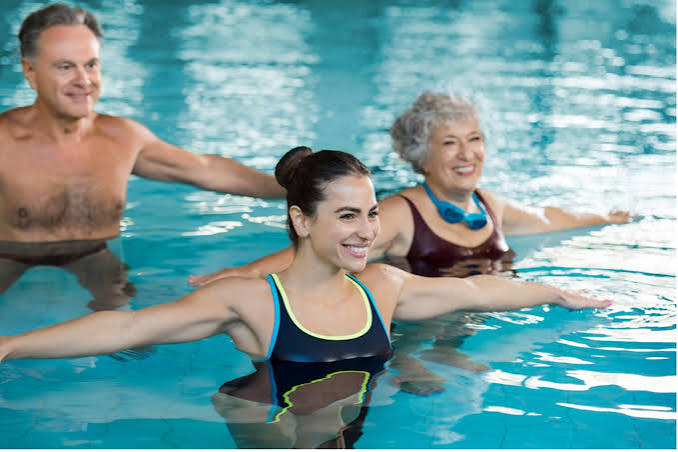
Walking hurts? Stairs too? Then water starts looking sensible. When arthritis makes land exercise feel punishing, swimming can be a good place to begin. The pool takes weight off your joints, lets you move with less pain, and gives you a way to build strength without the pounding that often flares symptoms.
Key facts
– Water supports part of your body weight, so knees, hips, and spine do less work in the pool.
– A safe starting dose is often 5 to 10 minutes total.
– Build one variable at a time: time before speed, frequency before intensity.
– Water walking is often the easiest entry point for beginners with arthritis.
– If pain changes quickly or safety is unclear, consult a clinician or physical therapist; MedlinePlus and the Arthritis Foundation both have exercise guidance.
I’m going to answer the question that matters most: how do you know if swimming is the right exercise for your arthritis, and how do you begin without making things worse?
Why Swimming Helps When Arthritis Makes Movement Hurt
Your joints hurt when you stand, walk, or bend? Then water changes the math. In a pool, buoyancy supports part of your body weight, so your knees, hips, and spine do less work with each movement. That does not mean the joints are “out of the picture.” It means the load is gentler, which is exactly why swimming and water exercise often feel more manageable than jogging or gym machines.
Osteoarthritis, rheumatoid arthritis, or another inflammatory joint condition? The goal is usually the same: keep moving without provoking a flare. Swimming helps because it combines three things many people need at once:
– range of motion from moving through the water
– muscle work from pushing against water resistance
– lower impact than land-based exercise
That combination matters. Weak muscles make joints work harder. Stiff joints move less. Pain makes both worse. Water exercise can break that loop.
But a hard lap session is not the answer if your joints are already angry. A gentle pool walk, easy water kicks, or short intervals may be better than full strokes. Honestly, I’d treat swimming as a tool for motion and conditioning, not a toughness contest.
For general guidance, the Arthritis Foundation, the NHS, and MedlinePlus are sensible places to start. The NHS recommends regular activity for osteoarthritis, and the CDC says adults should aim for 150 minutes a week of moderate activity when they can tolerate it. For a clinical overview, MedlinePlus has reliable arthritis and exercise material.
Quick check: If movement hurts on land but feels easier in water, swimming is worth exploring. When even light movement causes a major flare, start with medical guidance before you jump in.
What Actually Determines the Right Answer Here
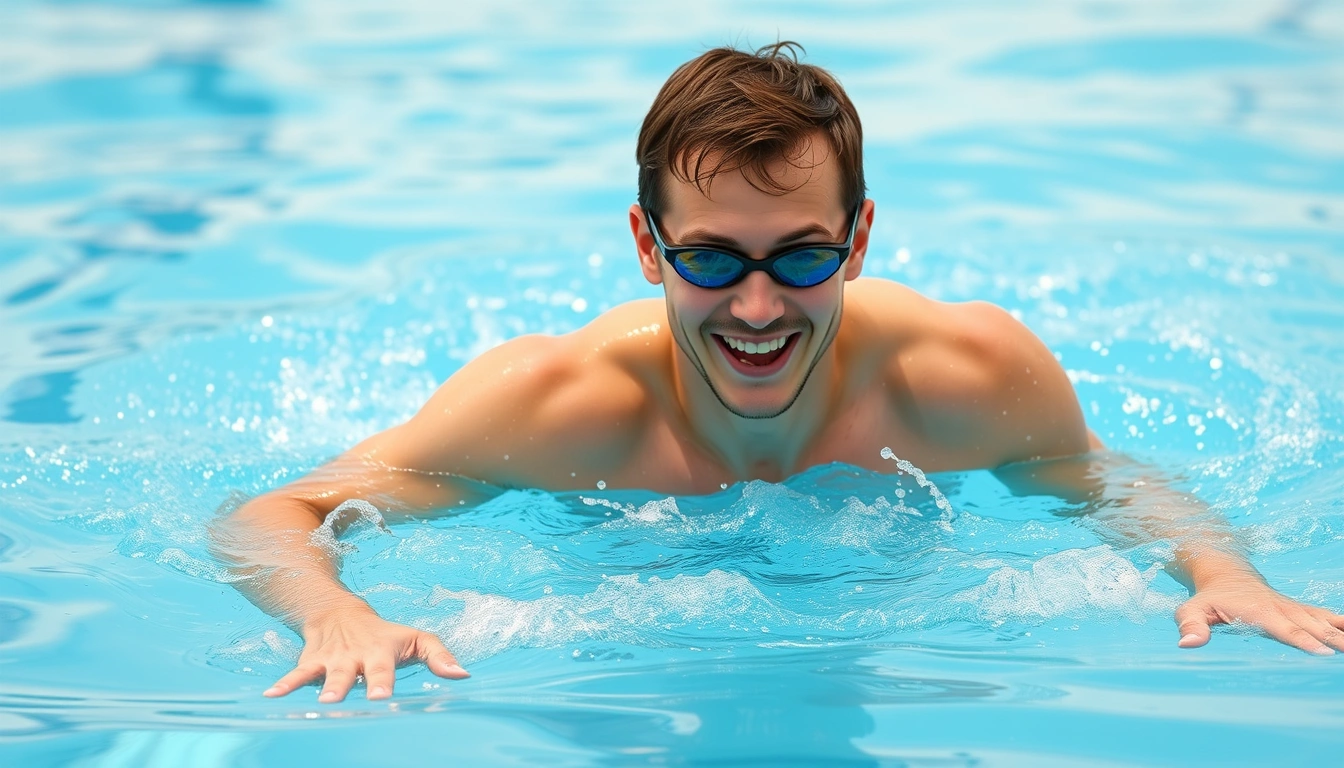
Should you swim, water-walk, do water aerobics, or stay out of the pool? The answer depends on three things: which joint is involved, how active the arthritis is right now, and what your pool access looks like.
Knees or hips causing the trouble? Water exercise is often especially appealing because those joints take a lot of body weight on land. Shoulder pain is different; swimming can still help, but certain strokes may irritate you. Stiff or sore spine? Warm-water movement may feel better than standard lap swimming.
Here is the simple decision table I’d use.
| Situation | Best Path | Why Other Options Fail |
|---|---|---|
| Knees or hips hurt with walking | Start with water walking or easy pool exercise | Hard land exercise may overload the joint too soon |
| Shoulders flare with overhead reaching | Try kick-focused work, gentle back-friendly movements, or water walking | Freestyle and butterfly may aggravate the shoulder |
| Stiff in the morning, better after moving | Short pool session with gradual warm-up | Jumping straight into fast laps can feel too abrupt |
| Current flare with visible swelling or strong heat | Rest from hard exercise; use gentle movement only if tolerable and approved | Pushing through can increase pain and inflammation |
| Poor balance on land | Use shallow water with support nearby | Deep-water work without support can feel unsafe |
If you’re in the “not sure” group, then choose the least ambitious version first. In arthritis, the safest plan is often the one you can repeat comfortably.
Quick check: When pain is mostly from load and impact, water is promising. When pain is from a hot, swollen flare, you may need a gentler or delayed start.
If You’re Starting From Scratch, Here’s the Safest Way In
No heroic first week. Really. When you haven’t exercised in a while, the point is to see how your joints respond to water, temperature, and movement. I’d start boring rather than bold.
Use this path if you’re deconditioned, nervous, or coming back after a long break:
- Get medical clearance if your arthritis is unstable, your pain has changed suddenly, or you have heart, lung, or skin issues that make pools risky. That matters more than enthusiasm.
- Choose an easier pool environment. A warm, quiet pool is often better than a busy lap lane. If the pool has a gradual entry, that can help a lot.
- Start with 5 to 10 minutes total. That can be water walking, gentle marching, supported movement at the wall, or easy laps with breaks.
- Use pain as feedback, not a dare. Mild muscular effort is normal. Sharp pain, increasing joint pain, or pain that lingers into the next day means you did too much.
- Increase only one thing at a time. Add time before speed. Add frequency before intensity. I would not change stroke, duration, and pace all in the same week.
- Track the next-day response. If you feel looser or the same the following day, you’re probably in the right zone. If you’re more swollen or sore, back off.
Good starter tools are simple: a kickboard if your shoulders tolerate it, a pool noodle for balance, and a water shoe if the deck or steps feel slippery. A water aerobics class can also be useful if it’s taught by someone who understands joint pain, but only if the class lets you scale back without feeling out of place.
If you want a benchmark, think in terms of consistency, not speed. Two or three short sessions a week that leave you functional the next day are more useful than one exhausting session that wipes you out.
Quick check: When you’re sore but not flared after a short pool session, build slowly. When a short session leaves you worse the next day, the dose is still too high.
Swimming for Arthritis: Which Pool Work Helps Most
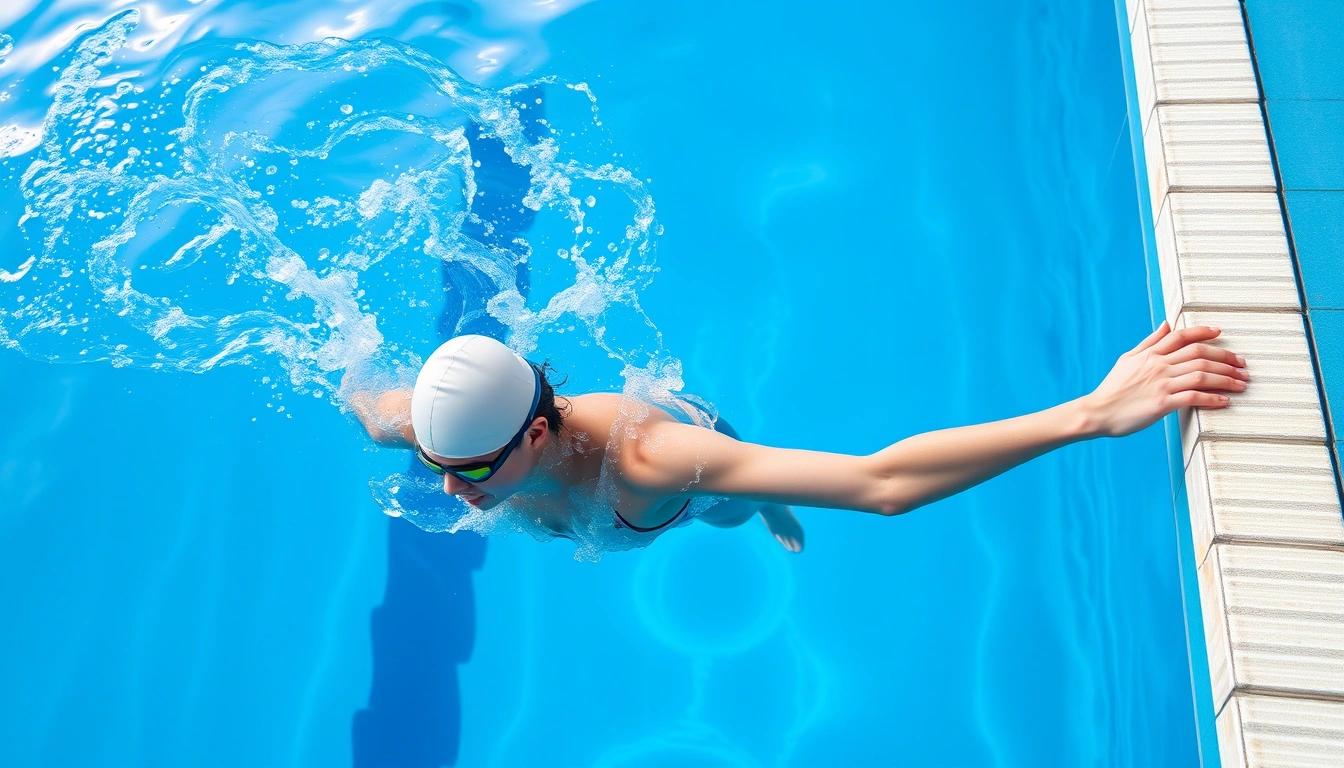
Not every pool session pulls its weight. Lap swimming is only one route, and for a lot of people with arthritis, it is not the first one they should try.
Water walking is often the easiest entry point if you want the gentlest start. You can keep your feet on the floor, control your pace, and use the wall or rail for support. Want more fitness without much joint pounding? Water aerobics may be better than swimming laps because it can be adapted to many bodies and skill levels. If you already swim well and your shoulders tolerate it, then easy freestyle or backstroke can be fine.
Here’s how I’d think about the main options:
– Water walking: best for beginners, balance concerns, knee/hip pain
– Water aerobics: good for variety, structure, and social support
– Easy lap swimming: good if you already have the skill and technique
– Deep-water jogging with a flotation belt: useful if land impact is the main problem and you want more cardio
– Gentle mobility work at the wall: useful on flare days or as a warm-up
Shoulders affected by arthritis? Then freestyle, butterfly, and sometimes breaststroke may irritate you. Knees that dislike twisting? Breaststroke kick can be uncomfortable. Neck gets cranky? Breathing patterns in freestyle may be part of the problem. That does not mean swimming is off the table; it means the stroke choice matters.
I wouldn’t force a “proper swim” if your body wants something simpler. The pool is not a moral test.
Quick check: When you need security and control, start with water walking. When you want cardio and your joints tolerate it, progress toward structured lap work.
When the Standard Advice Is Wrong
“Just swim, it’s low impact” sounds helpful. It isn’t, not by itself. Low impact does not mean no irritation. The details matter.
Shoulders are the main issue? Then standard lap swimming may be the wrong starting point, especially if you have pain overhead or pain when reaching behind you. In that case, choose water walking, leg-focused movements, or short, gentle swims with plenty of rest. If your knees are the issue, then breaststroke kick may feel worse than freestyle or backstroke. If your hands are affected, gripping kickboards or lane ropes may be uncomfortable, so use less hand pressure or skip the board.
If you have significant fatigue, then long pool sessions can backfire even when the joints themselves feel better. Arthritis is not just a joint problem for many people. Energy management matters. I’d rather see you do 10 minutes twice a week than overdo it once and spend three days recovering.
If you get dry skin, eczema, or psoriasis, chlorine may make the pool less pleasant. That does not always mean you should avoid swimming, but it does mean you may need a rinse routine and moisturizer after the session. If you have open sores, infection, or a skin flare that makes pool water unsafe, stay out until you’ve cleared it medically.
If you have fear of falling or you’re unsteady getting in and out of the pool, then the workout itself may be less risky than the deck. In that case, a pool with rails, shallow entry, or supervision may be the better option.
Quick check: When the standard swim advice keeps irritating one joint, the fix is often a different stroke, shallower work, or water walking—not quitting outright.
A Simple Plan for Your First Two Weeks
Make it small enough to repeat. Make it dull enough not to scare you.
Use this path if you’re ready to start but want guardrails:
- Pick your goal. Pain relief, better mobility, or general conditioning are different targets. Start with one.
- Choose your mode. Water walking, gentle aerobics, or short laps. Pick the one that matches your joints and skill.
- Set a short session length. Ten minutes is enough for a first try.
- Warm up for a few minutes. Easy movement at the shallow end, arm circles if tolerated, and slow walking before anything faster.
- Stop before you feel spent. You want to leave the pool feeling as if you could have done a little more.
- Check the next morning. Pain, stiffness, and swelling tell you whether the dose was right.
- Repeat twice that week if the response is good. Then add a few minutes, not a dramatic jump.
For many readers, the real win is not the pool session itself. It is what happens after: easier stairs, looser knees, less fear of movement, better confidence. Those are valid outcomes even if you never become a lap swimmer.
Need a professional starting point? The Arthritis Foundation exercise guidance, NHS advice on arthritis activity, and MedlinePlus are good, reliable places to begin. If pain is changing quickly or you’re unsure about safety, consult a physical therapist or clinician who treats arthritis, and bring a source such as the Arthritis Foundation or MedlinePlus to review with them.
Quick check: When your first goal is to move more with less pain, keep the plan short and repeatable. When your first goal is fitness, build only after your joints prove they can tolerate the basics.
Edge Cases: When the Normal Advice Breaks Down
If you fit one of these situations, the usual “swimming is great for arthritis” advice needs a tweak.
-
Situation: You’re mid-flare with swelling, heat, and more pain than usual.
What changes: Your joint is irritated enough that hard exercise may be too much.
What to do instead: Skip intense swimming. Try only very gentle movement if it feels good, and ask your clinician if the flare is severe or unusual. -
Situation: Your arthritis is mostly in your shoulders.
What changes: Overhead strokes can turn a helpful pool into a painful one.
What to do instead: Use water walking, gentle lower-body work, or modified strokes that do not aggravate the shoulder. -
Situation: You feel fine in the water but worse later that day or the next morning.
What changes: The dose is too high, even if the session felt easy.
What to do instead: Cut session length, reduce stroke intensity, and add recovery time between sessions. -
Situation: You’re afraid of slips, stairs, or getting in and out of the pool.
What changes: Safety outside the water matters as much as the exercise.
What to do instead: Choose a pool with a ramp, rail, shallow entry, or help from staff. -
Situation: Chlorine bothers your skin or breathing.
What changes: The pool environment may be the problem, not the exercise.
What to do instead: Try a different facility, shorten exposure, rinse afterward, or ask a clinician if another aquatic setting is safer. -
Situation: You can swim, but you hate laps.
What changes: The best exercise is the one you’ll keep doing.
What to do instead: Water aerobics, water walking, or simple interval sets may be better than forcing classic lap swim.
Quick check: When something about your body or the pool makes standard advice fail, change the format before you abandon the water.
What to Watch