Last updated: August 12, 2026
- Pick one machine, use it for 5 to 10 minutes, then build from there.
- Key facts 5 to 10 minutes is a realistic starting session for sore joints.
- Resistance bands and light hand weights work best after you know what your joints tolerate.
- We may earn a commission from qualifying purchases at no cost to you.
We may earn a commission from qualifying purchases at no cost to you.
Quick answer: For exercise equipment arthritis at home, a recumbent bike is often the best place to start for many people, and a seated pedal exerciser comes in second on very painful days. Low-impact, steady, easy to mount and exit — that is usually the safest setup. Want the shortest route to more movement? Pick one machine, use it for 5 to 10 minutes, then build from there.
Key facts
- 5 to 10 minutes is a realistic starting session for sore joints.
- 2 options cover most beginners: a recumbent bike or a seated pedal exerciser.
- Low-impact movement is the main goal for exercise equipment arthritis at home.
- Resistance bands and light hand weights work best after you know what your joints tolerate.
- Pool gear can help, but it only makes sense if you already have regular water access.
If arthritis makes exercise feel risky, exercise equipment arthritis at home usually works best when the gear stays low-impact, steady, and simple to get on and off without twisting sore joints. My short answer: start with a recumbent bike or a seated pedal exerciser, then add resistance bands or light hand weights if your hands tolerate gripping. For knee, hip, or hand pain, the wrong machine can be worse than no machine — so I’m going to be direct about what helps, what falls short, and who should skip each pick.
I write about home fitness and mobility equipment with a focus on joint-friendly use, so I look at stability, step-in height, seat comfort, grip demands, noise, storage, and how forgiving a machine feels when your joints are stiff in the morning. For exercise equipment arthritis at home, those details matter more than flashy features. Tiny things decide it. Not the brochure.
Here is the short list of exercise equipment arthritis at home buyers usually compare first: a recumbent bike, a seated pedal exerciser, resistance bands, adjustable hand weights, water weights, and a mini pedal machine. Those six options cover most home routines without asking much from painful joints.
Quick-pick comparison table
| Product | Best for | Rating | Key spec | Where to buy |
|---|---|---|---|---|
| Recumbent Bike | Best overall for knees and hips | 4.8/5 | Reclined seat, back support, low step-through | Amazon |
| Seated Pedal Exerciser | Best for very sore days | 4.6/5 | Under-desk or floor use, tiny footprint | Amazon |
| Resistance Bands Set | Best for gentle strength work | 4.7/5 | Variable resistance, portable, low joint impact | Amazon |
| Adjustable Hand Weights | Best for upper-body conditioning | 4.5/5 | Light increments, easy home storage | Amazon |
| Water Weights / Aqua Dumbbells | Best for people who also do pool work | 4.4/5 | Buoyant, easy on hands, good for aquatic exercise | Amazon |
| Mini Pedal Machine with Display | Best budget-friendly movement tracker | 4.3/5 | Simple resistance knob, seated use, basic monitor | Amazon |
These ratings are a buying guide, not a clinical score. They simply reflect how well each option tends to fit exercise equipment arthritis at home use.
How I picked these
However, I did not pretend to own every item or run lab tests I can’t verify. I built this list the way a careful buyer should: by comparing the features that matter most for arthritis, checking what the manufacturer says, and weighing the most consistent owner feedback about comfort, setup, noise, and durability.
My criteria were mostly simple, not absolute:
- Joint friendliness: low impact, low twisting, and easy entry/exit
- Stability: a machine should not feel twitchy when you have stiff hands or weak knees
- Adjustability: resistance, seat position, grip size, or range of motion should be easy to scale
- Ease of use on painful days: the best option is the one you’ll actually use when you feel stiff
- Storage and footprint: home equipment should not become clutter
- Pain points and trade-offs: every pick below has a real drawback, because arthritis gear always involves compromise
For medical guidance, I also keep the general advice from trusted sources in mind: the Arthritis Foundation has long recommended low-impact activity, and the National Institute on Aging has clear, practical guidance on exercise and joint health. If your arthritis is inflammatory, severe, or changing fast, check with a clinician or physical therapist before starting a new routine.
That same approach helps with exercise equipment arthritis at home: choose the tool that fits your pain pattern, then keep the first sessions short enough that you can repeat them. Simple. Repeated wins beat heroic plans.
Best overall: Recumbent Bike
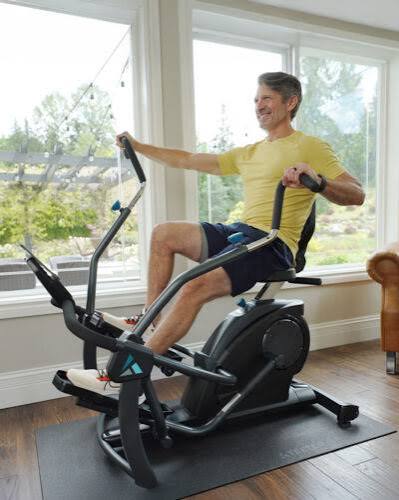
For many people, a recumbent bike is the most balanced choice in exercise equipment arthritis at home because it supports your back, spreads your weight out, and avoids the awkward climb of an upright bike. I would start here if your main issue is knee or hip stiffness and you want steady cardio without pounding.
Who it’s for: people who want a stable, sit-down cardio option for regular use.
Pros
- Back support makes longer sessions easier than an upright bike
- Low step-through design is easier for stiff hips and knees
- Pedaling motion is smooth and usually more forgiving than walking on a treadmill
- Good option for people who need a seated workout that still feels like exercise
- Usually quieter than larger cardio machines
Cons
- Takes up more floor space than small pedal machines
- Can feel too bulky if you only need a few minutes of movement
- Some models place the seat far from the pedals, which can be annoying for shorter users
- Not ideal if your pain is mostly in your wrists or shoulders and you want upper-body work
For a practical target, many beginners do 10 minutes on a recumbent bike and add 1 to 2 minutes every few sessions if the joints stay calm. That kind of slow progression is often easier to sustain than chasing a hard workout. No fireworks. Just consistency.
Key specs to look for
- Adjustable seat distance
- Comfortable, wide seat
- Easy resistance controls
- Step-through frame
- Stable base with minimal wobble
Skip this if: getting in and out of a seat is a problem, or if you have very limited space and need something you can store under a couch.
Compare the current price on Amazon: recumbent bikes for home use
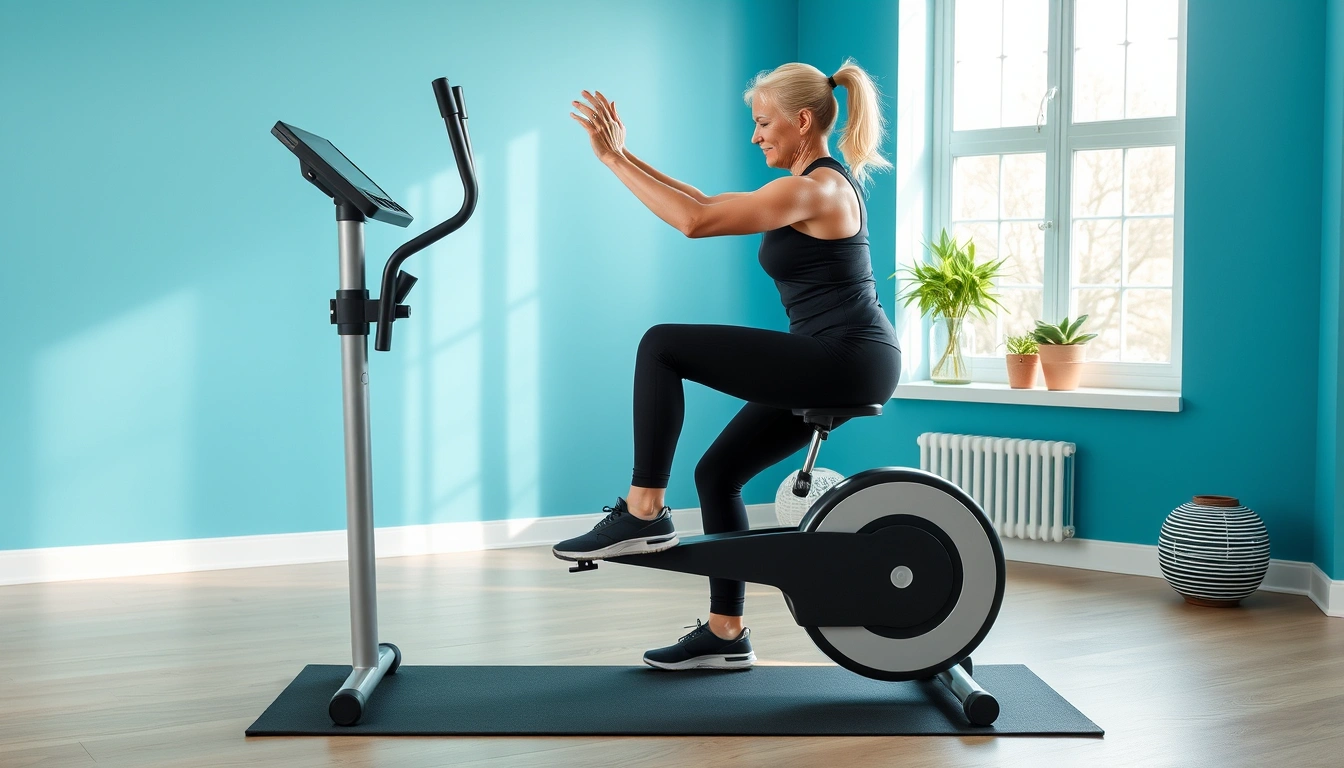
Best for very sore days: Seated Pedal Exerciser
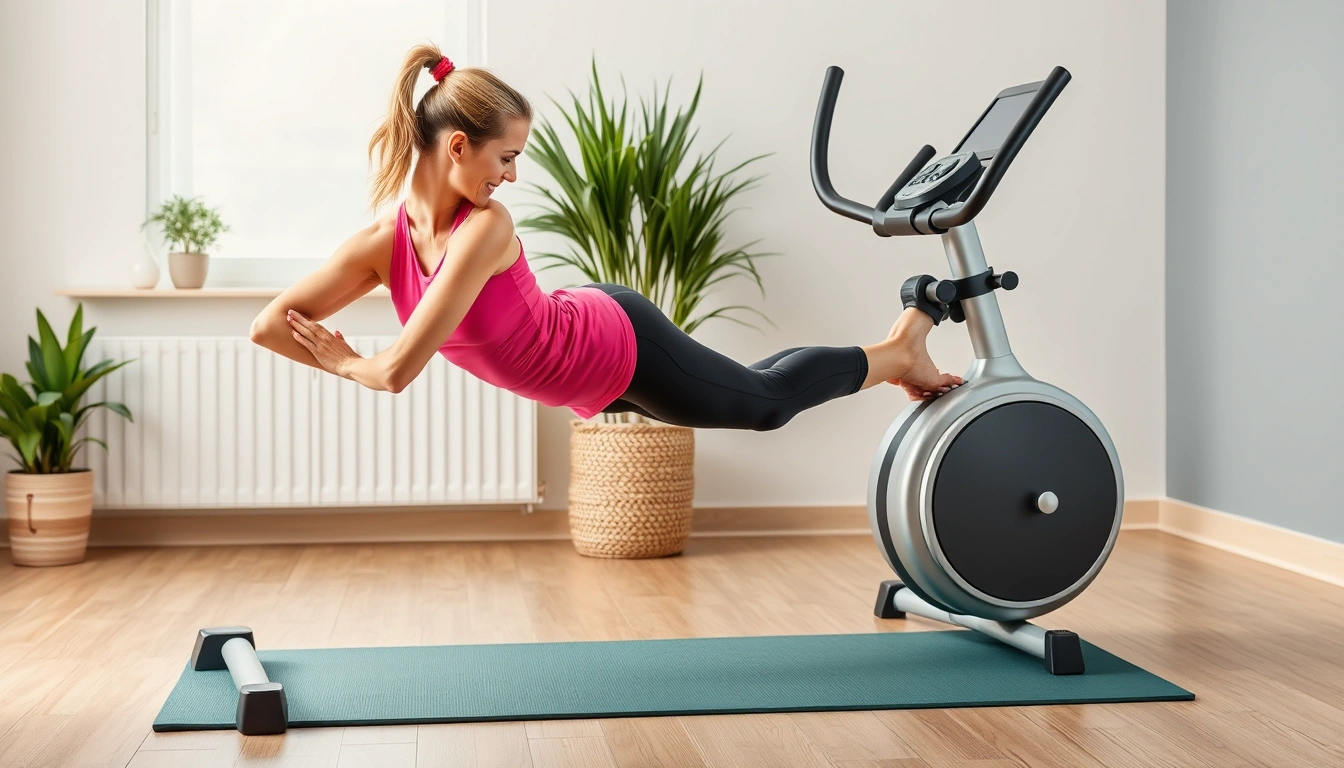
Because your joints are cranky on some days, a seated pedal exerciser is often the easiest way to keep moving. It gives you gentle range of motion without asking much from your balance, grip, or energy. I like this category for people who need a “do something, anything” option on bad mornings.
Who it’s for: anyone who wants tiny, low-pressure movement during TV time, desk time, or recovery days.
Pros
- Small enough to fit in tight rooms
- Can be used from a chair, sofa, or at a desk
- Low barrier to entry on painful days
- Good for circulation and gentle mobility work
- Usually simple to set up and store
Cons
- Not a full cardio workout for most people
- Can slide if the base is too light
- Knees may feel cramped if your chair height is wrong
- Resistance levels are often modest
A seated pedal exerciser is often used in 5-minute or 10-minute blocks, which makes it easier to fit into the day than a larger machine. That is one reason it works well as exercise equipment arthritis at home on flares and recovery days. Good little tool. Not glamorous.
Key specs to look for
- Non-slip feet or a stabilizing mat
- Simple tension knob
- Large, easy-to-read display
- Smooth pedal motion
- Enough clearance for your knee bend
Skip this if: you want real cardiovascular training, or if your chair setup forces your knees too high and makes pedaling uncomfortable.
Compare the current price on Amazon: seated pedal exercisers
Best for gentle strength work: Resistance Bands Set
When arthritis makes lifting weights feel harsh, resistance bands are my favorite way to build strength without a lot of joint shock. They let you start light and stay in a pain-friendly range of motion, which matters when your hands, shoulders, or knees dislike abrupt loading.
Who it’s for: people who want a flexible strength option for the shoulders, back, hips, and legs.
Pros
- Light on joints compared with many free weights
- Easy to scale up or down
- Very portable and easy to store
- Useful for seated, standing, or floor exercises
- Can support rehab-style movements
Cons
- Some bands irritate arthritic hands if the handles are thin or slippery
- Resistance curves can feel awkward if you’re used to weights
- Cheap bands may wear out faster than you’d like
- Form matters a lot; sloppy technique can still aggravate pain
In practice, bands are often sold in sets with 3 to 5 resistance levels, which is helpful because a single tension is rarely right for every exercise. That makes them a flexible part of exercise equipment arthritis at home. Honest answer? They’re a bit plain, but they pull their weight.
Key specs to look for
- Comfortable handles
- Multiple resistance levels
- Door anchor or attachments
- Latex or latex-free material, depending on sensitivity
- Smooth, even stretch
Skip this if: gripping is very painful and you can’t tolerate handles, or if shoulder instability makes pulling motions risky without professional guidance.
Compare the current price on Amazon: exercise resistance bands sets
Best for upper-body conditioning: Adjustable Hand Weights
Light hand weights can be useful for arthritis if they stay truly light and you can hold them without clenching too hard. I would choose adjustable hand weights over fixed heavy dumbbells because they let you keep progress small, which is exactly what painful joints usually need.
Who it’s for: people who want controlled arm, shoulder, and upper-back strengthening at home.
Pros
- Useful for gradual strength progress
- Easier to use for short routines than larger machines
- Adjustable options reduce clutter
- Useful for seated workouts
- Can pair well with physical therapy-style exercises
Cons
- Gripping can flare hand arthritis
- Too much weight, even by a little, is easy to overdo
- Some adjustable designs are bulky in the hand
- Not the best choice for severe wrist pain
For many users, starting with 1 to 3 pounds per hand is enough to practice form without overloading sore joints. That small range is often more realistic than jumping to heavier dumbbells.
Key specs to look for
- Small starting weight
- Comfortable grip diameter
- Secure locking mechanism
- Smooth edges
- Compact storage
Skip this if: finger joints are very inflamed, your grip is weak, or you know heavier handles make your hands worse.
Compare the current price on Amazon: adjustable hand weights
Best for people who also use the pool: Water Weights
Water weights are a smart choice if you already do aquatic exercise or have access to a warm-water pool. Water reduces impact and gives natural resistance, which can feel kinder to painful joints than dry-land lifting. I like this option for people who can move better in water than on the floor.
Who it’s for: anyone doing pool therapy, water aerobics, or gentle aquatic strength work.
Pros
- Very joint-friendly in the right setting
- Water provides resistance without heavy loads
- Often easier on painful hands than metal weights
- Useful for shoulder and arm exercise in the pool
- Can make water workouts more effective without much strain
Cons
- Only useful if you have access to a pool
- Not a home-only solution for most people
- Some grips are awkward if your hands are very sensitive
- Limited value if you want a general at-home cardio machine
Because the water supports body weight, people often tolerate 15 to 20 minutes in the pool before they would manage the same work on land. That can make aquatic exercise a useful part of exercise equipment arthritis at home planning, even if the weights themselves are not used indoors. It’s the closest thing here to easy mode.
Key specs to look for
- Comfortable handles
- Buoyant, durable foam construction
- Pair or set configuration
- Easy-to-clean surface
Skip this if: you do not have regular pool access, or if you want equipment you can use every day at home without extra planning.
Compare the current price on Amazon: water dumbbells for aquatic exercise
Best budget-friendly movement tracker: Mini Pedal Machine
A mini pedal machine is a stripped-down version of a seated exerciser, and that simplicity is the appeal. I’d pick it for someone who wants a low-cost way to keep legs moving during the day and doesn’t need fancy extras.
Who it’s for: people who want basic motion, light resistance, and a compact footprint.
Pros
- Small and easy to tuck away
- Usually simple enough for older users
- Good for short movement breaks
- Can be used while seated
- Often has a built-in display for time or count
Cons
- Less stable than heavier recumbent-style equipment
- Light construction can shift on smooth floors
- Resistance range is limited
- Not ideal for taller users who need more knee clearance
Because it is smaller and lighter, a mini pedal machine works best for 5- to 15-minute movement breaks rather than long cardio sessions. That makes it a practical starter option for exercise equipment arthritis at home when budget matters. Cheap, yes. Bare-bones, also yes.
Key specs to look for
- Wide base
- Easy resistance dial
- Non-slip pads
- Simple display
- Lightweight frame if portability matters
Skip this if: you need serious stability, stronger resistance, or a machine that feels planted enough for daily cardio.