Last updated: August 12, 2026
- Those details matter in walking aids support gear arthritis exercise because a tool that shifts after 15 minutes is not much help on a 30-minute walk.
- Most people do best with one simple aid matched to the problem.
- Key facts Walking aids support gear arthritis exercise works best when the aid matches the joint that hurts.
- We may earn a commission from qualifying purchases at no cost to you.
We may earn a commission from qualifying purchases at no cost to you.
Three names matter here: cane, trekking pole, knee brace. For walking aids support gear arthritis exercise, that is the honest starting point. Most people do best with one simple aid matched to the problem. Usually, a light, adjustable option is enough; only move up if balance or pain still gets in the way.
Key facts
- Walking aids support gear arthritis exercise works best when the aid matches the joint that hurts.
- A cane helps one painful leg; a trekking pole can spread effort across the arm and shoulder.
- A quad cane gives a wider base than a standard cane, but it is bulkier.
- Compression gloves and braces can help grip or knee comfort, but they do not fix balance problems.
Unsteady steps can turn a short walk into a slog. The right aid changes that. Not magically, of course. But it can make exercise safer and less painful without turning every outing into a chore.
I’m focusing here on walking aids support gear arthritis exercise that helps you keep moving: canes, trekking poles, walkers, braces, and small supports that reduce strain while you walk.
I write about mobility and exercise gear with a practical lens, and I’d rather help you buy once than point you toward something that ends up shoved in a closet. For medical advice, though, check with a clinician or physical therapist if your pain, balance, or joint swelling is changing quickly. Keep the walk short enough to repeat; that’s the real test.
Quick-pick comparison table
| Product | Best for | Rating | Key spec | Where to buy |
|---|---|---|---|---|
| Drive Medical Adjustable Folding Cane | Best overall cane for everyday arthritis walking | 4.5/5 | Folding cane with adjustable height and compact carry | Amazon |
| Brazos 55” Trekking Pole | Best for longer walks and posture support | 4.4/5 | Single trekking pole, natural cork grip, adjustable fit | Amazon |
| Hugo Mobility QuadPod Cane | Best for extra standing stability | 4.3/5 | Four-point base for a steadier plant than a standard cane | Amazon |
| REI Co-op Flash Carbon Trekking Poles | Best for regular walkers who want a lighter pair | 4.6/5 | Pair of lightweight poles with wrist straps and compact packability | Amazon |
| Mueller Adjustable Knee Brace | Best for knee arthritis during short exercise sessions | 4.2/5 | Adjustable compression-style knee support | Amazon |
| Copper Compression Gloves | Best for hand arthritis that flares while gripping | 4.1/5 | Compression gloves that preserve finger movement | Amazon |
| Vive Hinged Knee Brace | Best for more support after instability or a sore knee | 4.0/5 | Hinged support with straps for a more locked-in feel | Amazon |
How I picked these walking aids and support gear
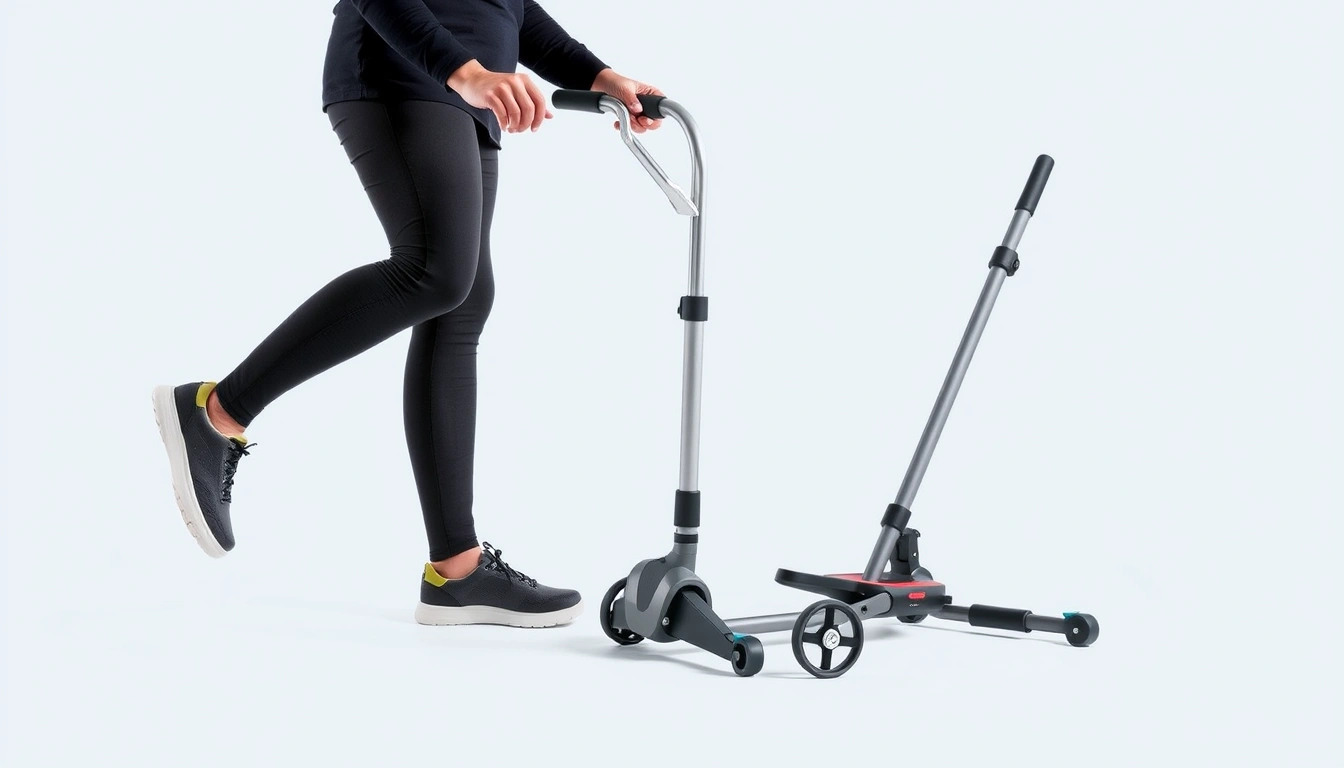
These are walking and exercise tools, not miracle fixes. I favored gear that fits a real arthritis routine: short neighborhood walks, laps in a park, mall walking, and steady home exercise. That is the center of walking aids support gear arthritis exercise, so comfort, adjustability, and everyday use mattered most.
What did I look for?
- Easy height adjustment or a fit that can be tuned without special tools
- Stable contact with the ground or the joint
- Manageable weight for people who may already have hand, wrist, knee, or shoulder pain
- Designs that are common enough to find from more than one retailer, so you are not locked into a single seller
- Widely reported owner feedback that points to the same strengths and weaknesses I’d expect from the design
I did not invent lab numbers or pretend I had a months-long private trial. For product facts, I’m relying on manufacturer specs and the kinds of issues buyers repeatedly report: grip comfort, wobble, strap placement, brace migration, and whether the item gets annoying after repeated use. Those details matter in walking aids support gear arthritis exercise because a tool that shifts after 15 minutes is not much help on a 30-minute walk. Thin ice, basically.
For arthritis itself, the main point from major health sources is simple: movement usually helps, but it has to be joint-friendly and realistic. The Arthritis Foundation has solid guidance on staying active with arthritis, and the NIH’s MedlinePlus has a useful overview of exercise and arthritis management. If your pain or swelling changes quickly, talk with a clinician before changing your routine. See the Arthritis Foundation’s exercise guidance and MedlinePlus arthritis exercise information.
Best Overall: Drive Medical Adjustable Folding Cane
Verdict: A strong all-around walking aid for arthritis exercise if you want something simple, portable, and less intimidating than a walker.
Who it’s for: People with one painful knee, hip, or ankle who still walk independently but want a little unloading and confidence.
Pros
- Folds up, so it is easier to carry into a car, restaurant, or clinic than a fixed cane.
- Adjustable height makes it easier to fit different users and walking shoes.
- Light enough that many people can manage it without tiring the hand quickly.
- Basic, familiar design, which matters if you want low learning curve.
Cons
- A single-point cane only helps so much; it will not feel stable enough for severe balance problems.
- If your arthritis is mainly in the wrist or thumb, a cane can still irritate the hand.
- Folding canes can feel less rigid than a one-piece cane to some users.
Key specs
- Type: Folding cane
- Adjustment: Height-adjustable
- Use case: Everyday walking support
- Retailers: Amazon, Walmart, medical supply stores
Compare the current price on Amazon
Best for Longer Walks: Brazos 55” Trekking Pole
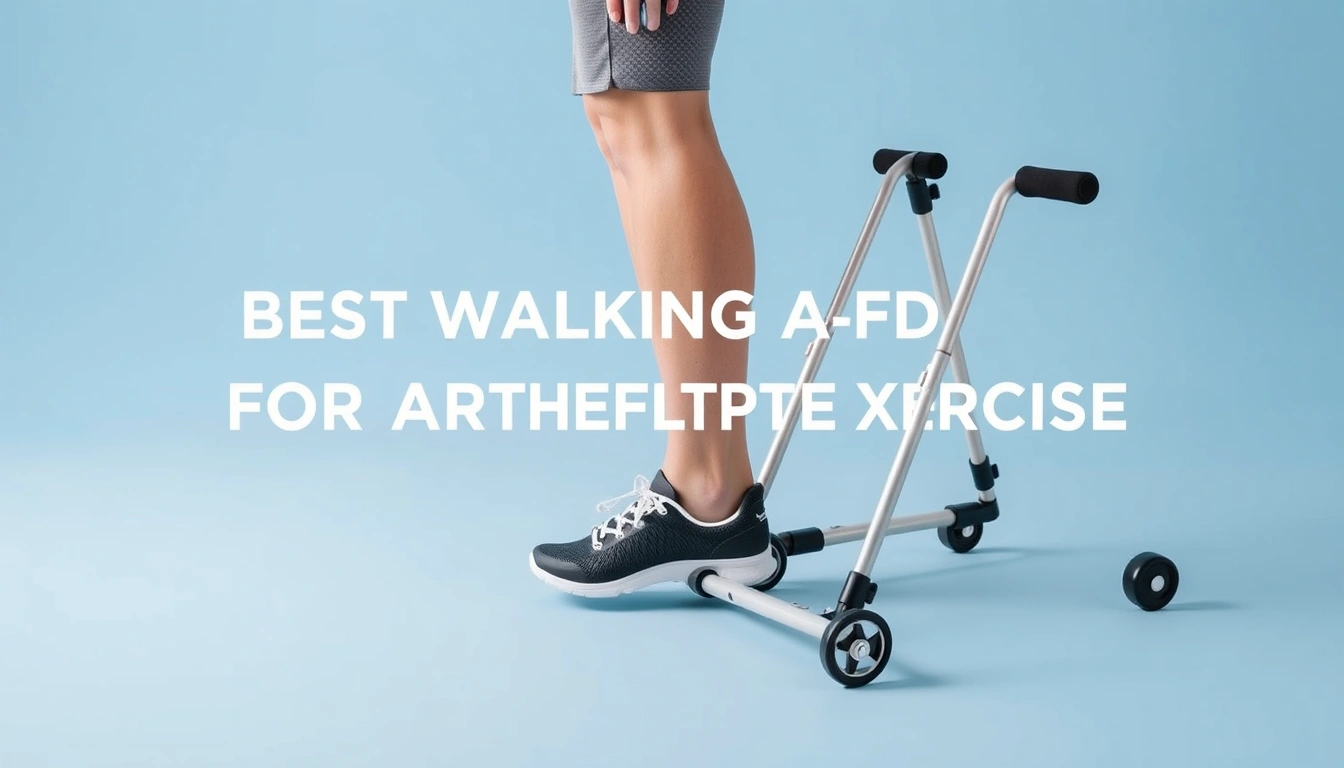
Verdict: A good option for people who want one support that can make walking feel smoother on longer outings.
Who it’s for: Walkers with arthritis who can tolerate a pole in the hand and want more rhythm, posture help, and a bit of upper-body load sharing.
Pros
- A trekking pole can spread effort across the arm and shoulder instead of putting everything through one painful leg.
- The cork-style grip many users prefer tends to feel less slippery on longer walks.
- Good for pacing yourself on paths, parks, and gentle hills.
- Feels more “exercise-like” than a cane, which some people find motivating.
Cons
- One pole is not the same as a cane; it helps balance and rhythm but offers less passive support in a sudden wobble.
- It requires more coordination than many people expect at first.
- If your wrist, thumb, or shoulder is sensitive, the pole may shift pain from one joint to another.
Key specs
- Type: Single trekking pole
- Grip: Cork-style grip
- Best use: Outdoor walking and gait rhythm
- Retailers: Amazon, outdoor retailers, brand site
Compare the current price on Amazon
Best for Extra Stability: Hugo Mobility QuadPod Cane
Verdict: A steadier choice if a standard cane feels too narrow under you.
Who it’s for: People who can walk independently but want a broader base for standing breaks, curb transitions, or unsteady days.
Pros
- The four-point base gives a more planted feel than a standard cane.
- Can stand upright on its own better than many single-tip canes.
- Helpful when you stop often during a walk and need the aid to stay nearby.
- Often a good middle ground between a cane and a walker.
Cons
- Quad bases can feel bulky and may catch a little more when you swing the cane forward.
- It is not ideal for faster walking or tight indoor spaces.
- If you need light, rhythmic walking support, this can feel like overkill.
Key specs
- Type: Quad cane
- Base: Four-point design
- Best use: Standing stability and cautious walking
- Retailers: Amazon, Walmart, medical supply stores
Compare the current price on Amazon
Best Lightweight Pair: REI Co-op Flash Carbon Trekking Poles
Verdict: A useful pick for regular walkers who want two poles and care about keeping the setup light.
Who it’s for: People with arthritis who walk several times a week and want more balance assistance without dragging around heavy gear.
Pros
- A pair of poles can create a steady walking rhythm and help distribute effort across both sides.
- Lightweight construction is easier on people whose grip fades as the walk goes on.
- Useful on uneven paths, long sidewalks, and gentle grades.
- The pair format can feel more natural than a single pole if you already like walking poles.
Cons
- More hardware means more to carry, store, and adjust.
- Wrist straps and grips can annoy users with hand arthritis if the fit is off.
- Poles are not a substitute for a true balance aid if you feel unsafe walking alone.
Key specs
- Type: Pair of trekking poles
- Focus: Low weight and portability
- Best use: Frequent walkers and outdoor exercise
- Retailers: Amazon, REI, outdoor retailers
Compare the current price on Amazon
Best Knee Support for Short Walks: Mueller Adjustable Knee Brace
Verdict: A practical brace if your knee arthritis flares during exercise and you want mild compression rather than a rigid frame.
Who it’s for: Walkers with knee aching, mild swelling, or a “tired” knee that feels better with some wraparound support.
Pros
- Compression can make the knee feel more organized and less jiggly during short walks.
- Adjustable straps make fit easier if the knee changes size during the day.
- Usually less bulky than hinged braces, so it fits under looser pants.
- A decent option for indoor exercise or short neighborhood loops.
Cons
- Compression is not the same as structural support; it will not stabilize major instability.
- Some knee braces slide or bunch if you sweat a lot or bend deeply.
- Too much compression can feel hot or restrictive on longer walks.
Key specs
- Type: Adjustable knee brace
- Support style: Compression-focused
- Best use: Mild-to-moderate knee discomfort
- Retailers: Amazon, Walmart, sporting goods stores
Compare the current price on Amazon
Best for Hand Arthritis: Copper Compression Gloves
Verdict: Best if gripping a cane, pole, or stroller handle makes your hands flare up.
Who it’s for: People with hand or finger arthritis who still want to walk but need less strain through the grip.
Pros
- Light compression can take the edge off morning stiffness for some users.
- Fingerless design preserves dexterity for zippers, phone use, and cane grips.
- Helpful as a companion piece if your main problem is hand pain, not leg instability.
- Easy to pack and cheap to replace compared with larger supports.
Cons
- Gloves do not solve balance problems.
- Compression gloves can feel too warm or tight.
- Sizing is the biggest risk; a poor fit makes them irritating fast.
Key specs
- Type: Fingerless compression glove
- Best use: Hand and finger support during grip-heavy activity
- Retailers: Amazon, Walmart, direct-from-brand stores
Compare the current price on Amazon
Best for More Knee Lock-In: Vive Hinged Knee Brace
Verdict: The better choice when you want more control than a simple sleeve can offer.
Who it’s for: Walkers who feel the knee drift, twist, or give out a little and need a more structured brace.
Pros
- Hinges can make the knee feel more controlled during stride.
- Straps let you tune the fit more precisely than a simple pull-on sleeve.
- Better for people who need confidence on stairs, ramps, or uneven surfaces.
- More supportive than compression-only sleeves.
Cons
- Bulkier and warmer than a soft sleeve.
- More parts mean more chances to adjust it wrong.
- If your knee pain is mostly from swelling and not instability, this may feel like too much brace.
Key specs
- Type: Hinged knee brace
- Support style: Semi-rigid
- Best use: Added knee control during walking
- Retailers: Amazon, Walmart, brand site
Compare the current price on Amazon
Buying guide: how to choose the right walking aid for arthritis exercise
The right choice depends on where the arthritis sits and what fails first. Once you know that, walking aids support gear arthritis exercise becomes less confusing and much easier to narrow down.
If the main issue is pain in one lower-body joint
Start with a cane or trekking pole. A cane is simpler. A trekking pole can feel better if you want a more active walking motion and a little more rhythm. I’d pick a cane if you need something you can use without thinking. I’d go with a pole if you already walk outside and want better posture or more even effort.
If the issue is balance, not just pain
Go wider. A quad cane is a reasonable next step if a standard cane feels too tippy. If you feel unsafe even with that, you may need a walker or rollator, which is beyond this roundup but worth asking a therapist about.
If the knee is the weak link
Choose the brace based on what you need:
– Compression sleeve or adjustable brace for soreness, swelling, and light support
– Hinged brace for more control or a knee that feels less trustworthy
If your knee gives out often, a brace may not be enough on its own. That is a “talk to a professional” sign, not a “buy a harder brace” sign.
If your hands hurt when you grip
Do not overlook gloves, padded grips, and strap fit. Many people focus on the leg and forget that the hand is doing the work of the aid. A cane with a bad handle can wreck a walk even if the leg feels fine.
Common mistakes I would avoid
- Buying the tallest or stiffest aid and assuming it always provides more support
- Ignoring handle shape when your arthritis is actually in the hand
- Choosing a brace that is so tight it cuts circulation or feels hot after ten minutes
- Using trekking poles on the same day you are already unstable and fatigued
- Skipping height adjustment, then blaming the aid for awkward posture
A simple rule of thumb
- Sore knee, still steady: adjustable cane or soft knee brace
- Need posture and rhythm outdoors: trekking pole or a pair of poles
- Need more standing stability: quad cane
- Hand pain with grip: compression gloves or a more ergonomic handle
- Knee feels loose or twists: hinged knee brace
For walking aids support gear arthritis exercise, the best result is usually the least dramatic one: the tool you can use for 20 to 30 minutes, three to five times a week, without dreading it.